
Breasts have been a subject of art for nearly 30,000 years, starting with figurines like the Venus of Willendorf. Ancient Egypt, Greece, Rome, India and Mesoamerica used the breast as a symbol of fertility, motherhood and beauty, and Renaissance painters made the nude a masterpiece staple. Modern artists still play with it.
Where it all began
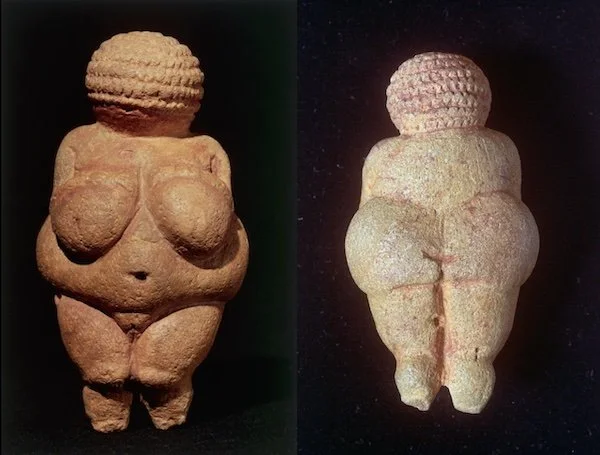
Do you remember the first time you encountered the 'Venus of Willendorf'? If your memory needs a little jog, let me paint you a picture (pun intended). The Venus of Willendorf is a tiny limestone figurine carved about 30,000 years ago, featuring a woman with ample curves and pronounced breasts. Historians believe these exaggerated features symbolize fertility and the nurturing aspects of womanhood. Fast forward to the present day, and the fascination with breasts in art persists, albeit taking on different forms and meanings.

Egyptian Era
Breasts have often been a focal point in art, playing pivotal roles in symbolizing various themes, from fertility and beauty to power and femininity. During the ancient Egyptian era, goddesses were often depicted bare-chested, symbolizing fertility and motherhood. Isis, the goddess of motherhood and magic, was frequently portrayed nursing her son Horus, signifying the nurturing aspect of femininity.
Greeks and Romans
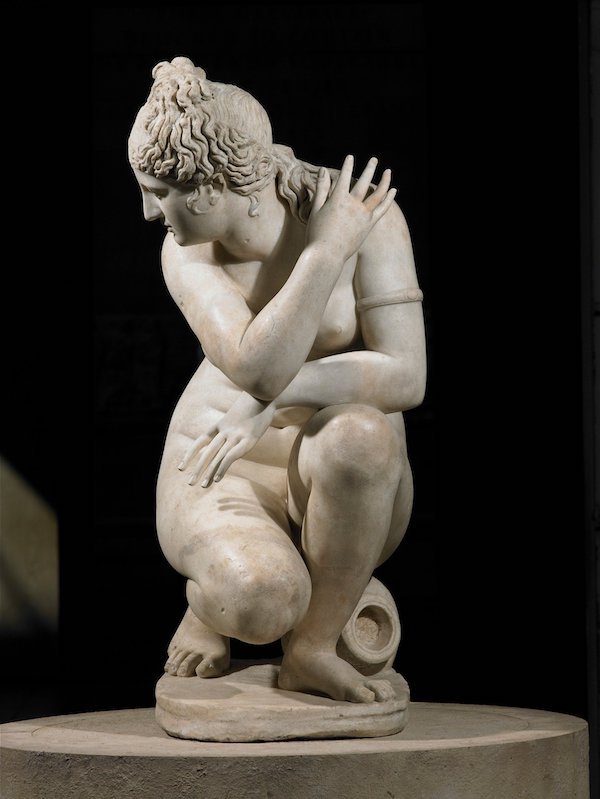
The Greeks, known for their love of symmetry and ideal beauty, showcased breasts in a more aesthetic manner. Statues of Aphrodite, the goddess of love, beauty, and fertility, often displayed her in the nude, with her breasts signifying allure and eroticism. The Roman era followed suit, with Venus, the Roman equivalent of Aphrodite, often depicted similarly.

Indian Culture and the Kamasutra
The beauty of the human form, including breasts, also found expression in the Indian subcontinent. Intricately carved sculptures in ancient temples showcased women in various stages of undress, the fullness of their breasts symbolizing fertility and sensuality. These artistic representations reflect the liberal attitude towards sexuality in ancient Indian society, as also evidenced in the Kamasutra, an ancient Indian text on erotic love and sexuality.

Mesoamerican Cultures
The art of Mesoamerican cultures also provides intriguing insights into their perception of breasts. The Mayans, for instance, portrayed women with exposed breasts in their pottery and sculptures, symbolizing the role of women as life-givers. Their goddess Ixchel, associated with motherhood and fertility, was often depicted with heavy, drooping breasts, symbolizing her role as a nourisher.

Asian Culture/History
Asian cultures, too, have their unique artistic expressions of breasts. In traditional Japanese art, for instance, the focus was less on the size of the breasts and more on the nape of the neck, which was considered an epitome of femininity and sensuality. However, the modern era has seen a shift, with manga and anime often exaggerating the size of female characters' breasts, reflecting changing perceptions and influences.
Middle Ages and The Renaissance
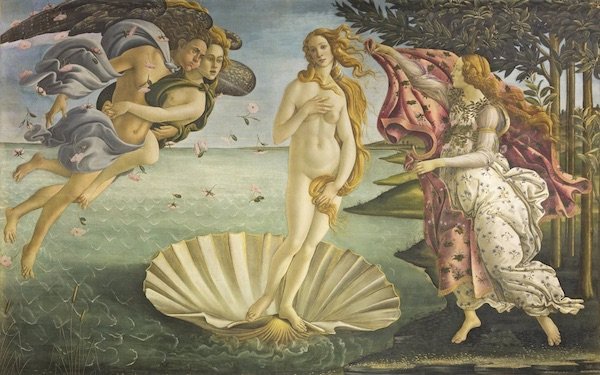
In the Middle Ages, the portrayal of breasts took a back seat, aligning with the period's modesty and religious piety. However, the Renaissance saw a revival of the nude female form in art. Artists like Botticelli and Titian returned to the Greco-Roman tradition of presenting the female form as a symbol of beauty and sensuality.

20th and 21st Centuries
Fast forward to the 20th and 21st centuries, the depiction of breasts in art became more diverse, often challenging societal norms and questioning existing beauty standards. Artists like Judy Chicago and Hannah Wilke used the motif of breasts in their feminist art to challenge the objectification of the female body and promote body positivity.
From cave figurines to champagne coupes, there’s more boob history and pop culture where this came from.

The Influence of Pop Culture on Breast Depiction
In the age of social media and pop culture, breasts have taken on a whole new level of prominence. From music videos to fashion trends, the depiction of breasts has moved beyond classical art and permeated every corner of modern visual culture. This shift has sparked conversations about over-sexualization, body positivity, and the fine line between artistic expression and objectification. It has also opened up new avenues for dialogue about breast health and cancer awareness.

Breasts in Advertising
The use of breasts in advertising is another compelling aspect of this narrative. Companies have long utilized the allure of breasts to market products, ranging from lingerie to even completely unrelated items like cars or beer. This strategy, while successful in grabbing attention, has often been criticized for perpetuating unrealistic beauty standards and for its potential to reduce women to mere sexual objects. However, with an increasing demand for authenticity and representation in advertising, we're starting to see a shift towards more diverse and realistic portrayals of breasts.

Breasts and Feminism
The feminist movement has also had a significant impact on how breasts are viewed and portrayed in society. Feminists have fought for the right to go topless, normalize breastfeeding in public, and challenge the sexualization of female bodies. Art has often been a tool in these endeavors, with artists creating pieces that emphasize the power, beauty, and natural function of breasts, rather than focusing solely on their sexual appeal. This wave of empowerment has brought about a new era of breast representation that champions choice, respect, and equality.
The Future of Breasts in Art
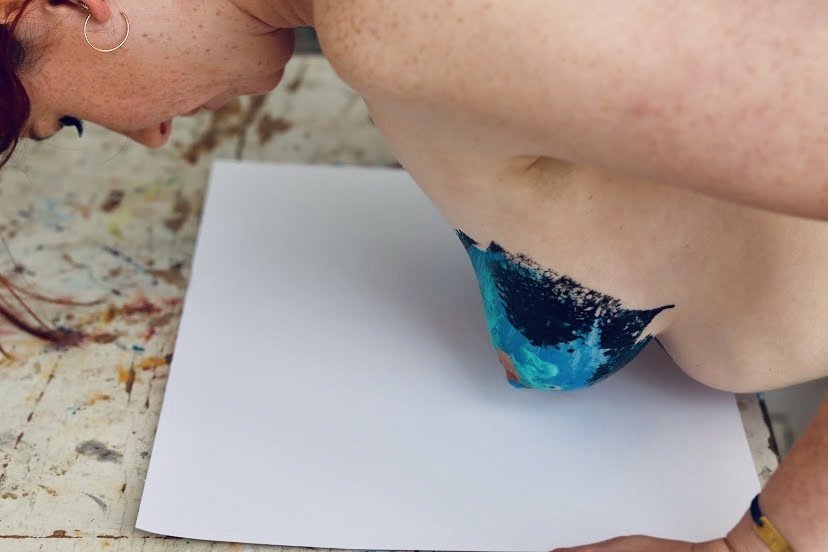
As we cast our gaze to the future, we can anticipate an even greater evolution in the depiction of breasts in art. Advances in technology, such as virtual and augmented reality, offer new ways to express and interpret this classic symbol. Artists may leverage these tools to challenge existing notions of beauty, femininity, and sensuality, creating immersive experiences that generate empathy and understanding. As we become more comfortable discussing topics that were once taboo, we may see more diverse representations of breasts in art. This could include realistic depictions of mastectomy scars, breastfeeding, and the natural aging process of breasts. The future of breasts in art will likely mirror the ongoing societal shift towards body positivity and acceptance, ensuring this timeless symbol remains relevant and provocative for generations to come.

We ❤️ Boobs in Art
Breasts, in their various shapes, sizes, and states, continue to inspire, provoke, and fascinate. From the cave paintings of prehistoric times to the boundary-pushing works of contemporary artists, the depiction of breasts in art has been a reflection of societal attitudes towards femininity, sexuality, and beauty. Their presence in art underscores their symbolic importance across cultures and through the ages.
Frequently asked questions
How old is the Venus of Willendorf?
The Venus of Willendorf is about 30,000 years old. It's on display at the Natural History Museum in Vienna.
Why are breasts so common in ancient art?
They symbolized fertility, nourishment and the life-giving power of women, which made them central to many early religions and cultures.
Why are there so many nudes in Renaissance art?
Renaissance artists revived the classical Greek and Roman ideal of the human body, treating the nude as a celebration of beauty and divine creation.
