Join us as we explore all things boobs. From inception to celebration we're boob lovers and we know you are too. And that's totally ok.

Letters From Kay, Number 7 – The Leaves Found My Skin

My love,
The trees finally meant it. Overnight the yellow ones let go, and by afternoon the path was soft with them — maple, birch, the stubborn little oak leaves that sound like paper when you step wrong. I put on your flannel and nothing else and walked until the cabin was just a dark shape behind me. Bare feet. Cold toes. Worth it.
A leaf landed on my shoulder and stayed. Another in my hair. I didn’t brush them off. It felt like the mountain was trying to keep me company the only way it knows how.
I keep thinking about last October — how you pushed me up against that skinny pine just off the trail and kissed me like we had somewhere to be and absolutely no intention of getting there. Your flannel was on me then too. You got it open with one hand and laughed when a leaf stuck to my collarbone. Your mouth followed it. Then lower. I came with my back against the bark and my legs shaking and a whole flock of something exploding out of the canopy like they’d been waiting for the punchline.
I did it again today. Same stretch of trail. Same flannel half off. I sat on a flat rock with my knees open to the gold light and touched myself the way you like to watch — slow circle, then deeper, then the mean little pace that makes me swear at you even when you’re not here. Leaves kept falling on my thighs. I left them. When I came, I tipped my head back and the sky went soft and I said your name into the trees like they might forward the mail.
Walked home with my legs still humming. Your boots are still by the door. I lined my bare feet up next to them like a joke. Your side of the bed is still the colder one. I’m going to sleep in this flannel anyway. It smells like leaf smoke and you, which is a cruel combination when you’re three states away.
Come home while the mountain is still dropping gold. I want you on that trail. I want your hands where the flannel won’t stay. I want the next leaf to land on both of us.
Forever yours,
Kay
P.S. Your Booby Pillow has a maple leaf stuck to it like it went hiking. I left it. Temporary decoration. Your spot under this flannel is not up for seasonal bidding.

Letters From Kay, Number 6 – The Windows Fogged Over
My love,
It started raining before lunch and it hasn’t stopped. Not a cute drizzle — the kind that turns the pines black and makes the whole mountain sound like it’s breathing. I made tea. Then I made more tea. Then I gave up and stood at the window in your sweater with nothing underneath, watching the glass fog from my side of the world.
I drew a little heart in the condensation with my finger. Then I smeared it out because it felt too teenage. Then I drew it again because I am, apparently, still that girl for you.
The cabin is warm. Outside is a different country. I keep thinking about the last time we got stuck here in weather like this — how the power flickered, how you laughed when I pretended I wasn’t scared of the thunder, how you pulled the sweater up over my head before I’d finished pretending. Your mouth was cold from the porch and then it wasn’t. I came so hard against the window frame that my palm left a print in the fog and we both laughed like idiots while the rain kept going.
I did it again today. Same window. Same sweater. My breath writing soft circles on the glass while my other hand went slow under the hem, then less slow, then not slow at all. I said your name into the rain like it might carry downhill. When I came, my forehead hit the pane and the cold shocked me back into my body, and I stayed there a minute with my eyes closed, smiling at nothing, missing you with my whole stupid chest.
The fog is gone now. Just streaks and the dark trees. Your side of the bed is still the colder one. I’m going to leave the porch light on anyway. Habit. Hope. Both.
Come home while the mountain is still this wet. I want you at this window. I want your hands where the sweater won’t stay. I want the next storm to find us already busy.
Forever yours,
Kay
P.S. Your Booby Pillow is parked under the window like it paid rent. I let it. Temporary. When you get here, that spot is yours — and so is everything under this sweater.

Letters From Kay, Number 5 – I Built a Fire for Two
My love,
The cold finally meant it last night. Not the pretty kind that makes the lake look like glass — the kind that sneaks under the door and finds your ankles. I woke up and your side of the bed was a dare. So I did the thing we always do the first cold night: I built a fire.
Took me three matches. You would’ve done it in one and pretended not to gloat.
I sat on the rug in your flannel with nothing underneath, knees pulled in, watching the wood catch. The cabin smelled like smoke and that cedar you stacked last spring. I wrapped both hands around a mug I made too strong on purpose, the way you like it, and waited for the heat to reach me.
It did. Slow. Then all at once.
I thought about the first fire we ever lit here. How you pulled me into your lap before the flames were even steady. How your hands went under the flannel like you’d been planning it all day. How I came apart with my forehead on your shoulder while the fire popped and neither of us cared if the whole mountain heard.
I touched myself on that same rug last night. Your flannel open. Fire on my thighs. I went slow at first — the kind of slow you make me do when you want to watch then I stopped pretending I was being patient. I said your name into the quiet like it might travel. When I came, my free hand grabbed the empty air where your chest shouldve been, and I laughed a little because it was pathetic and perfect and mine.
The fire burned down to coals. I didn’t put another log on. I wanted the room to cool just enough that I’d have an excuse to miss you harder.
Come home while the nights are still getting colder. I want you on this rug. I want your mouth where the flannel won’t cover. I want the next fire to be for two.
Forever yours,
Kay
P.S. Your Booby Pillow has claimed the spot closest to the hearth. Fair. Temporary. Your lap is still the preferred seating.

Letters From Kay, Number 4 – The Porch Light Stayed On

My love,
I left the porch light on for you again. Habit. Or hope. Or both, which is worse.
It’s that in-between week — still summer in the afternoon, almost autumn after dinner. The crickets sound tired. I sat outside in your hoodie and nothing underneath, knees pulled up, watching the dark fill in between the pines. Every time a car turned somewhere down the mountain road I felt stupid for checking. None of them were you.
I thought about September. How last year you got here right when the first cold snap hit and I made you warm me up the long way — your mouth on my neck, your hands already under the hoodie, that laugh you do when you find out I planned it. I touched myself thinking about that. Slow at first, then not. The hoodie rode up. The night air hit my skin and I didn’t care. I came with my head tipped back against the chair and the porch light buzzing like it was embarrassed for me.
Went inside after. Bare feet on the wood. Your side of the bed is still the colder one. I put my face in your pillow and breathed like an idiot in love, which I am.
Come home while the porch light still means something. I want you to find me in that hoodie. I want you to take it off me before we make it past the door.
Forever yours,
Kay
P.S. Your Booby Pillow has claimed the porch chair. I let it. Temporary housing only. Your spot is not up for negotiation.
New here? Meet Kay.

Letters From Kay, Number 3 – The Water Remembered You

My love,
The heat finally broke last night. I woke up to that cool that only happens up here in late August, the one that makes the lake look like glass. I put on your shirt and walked down barefoot. Dew on my ankles. Nobody on the path but me and a couple of jays being rude about it.
I swam. You always said the water was too cold until July. It's still cold. I went in anyway.
I thought about you the whole way out. How you'd wait on the dock like you were being patient, and then you'd come in after me the second I looked back. How your hands found my waist under the water before I even heard you. I floated on my back and let the sun have me. My shirt went see-through, then I took it off and let it hang on the dock like a flag. If anyone had come down the trail they'd have gotten quite a show. Nobody did. Just me, and the idea of you, and that little ache that starts when I remember how you look at me when I'm wet.
I touched myself in the water. Slow. The kind of slow you make me do when you want to watch. I said your name into the sky and came with my mouth open, quiet, because the mountain keeps secrets but I still like pretending it might tell you.
Came back up dripping. Made coffee. Your mug, not mine. I'm wearing the shirt again even though it's damp. It smells like lake and you, which is a mean combination when you're not here to take it off me.
Come home before the leaves start. I want you in this water. I want your mouth where the cold made me shiver.
Forever yours,
Kay
P.S. Your Booby Pillow was on the porch when I got back, sunning itself like it owns the place. I brought it inside. It can keep your side of the bed warm until you do.

Letters From Kay, Number 2 – The Mirror Doesn’t Lie
My sweetest love,
I couldn’t sleep again. The moon was so bright it poured through the curtains like it wanted to watch. So I let it. I stood up, let your favorite silk slip slide off my shoulders, and walked naked to that big antique mirror at the foot of the bed… the one you like to move closer when we play…
God, I wish you could see what I saw.
My nipples were already hard little peaks before I even touched them, like they knew they were about to star in a show just for you. I started slow, tracing the chain of the necklace you gave me (the one that always nestles right between my breasts) down, down, until the little diamond pendant rested cold between my legs. I shivered so hard for a second.
Then I cupped myself. Both hands. Full, heavy, spilling over my palms the way you say drives you insane. I squeezed and watched my softness bulge between my fingers, watched myself part with a gasp that sounded exactly like the one I make when you first push inside me. I pinched my nipples the way you do when you’re about to lose control… and the girl in the mirror arched so prettily I almost came right then.
I said your name. Out loud. Over and over.
“Baby… please… right there… yes…”
Every plea you’ve ever dragged out of me, I gave back to my reflection like she could send it straight to you through the glass.
I spread wider. Watched my fingers disappear down in between - where I miss you so much.. where I ache for you. I kept one hand on my breast, rolling the nipple between my knuckles, while the other circled and circled until I had chills over my whole body. When I came, I didn’t look away. I wanted to see what I look like when you see me - to imagine how you feel when you watch me. Turns out I look free, gorgeous, and 100% yours.
I walked away from the mirror, watching my moon-shadow fill the room. I left a kiss on the mirror like I leaned in and kissed you goodnight through the glass.
Bring your loving home soon, handsome. This mirror is getting jealous, and I’m running out of ways to show you what you do to me when you’re not here to watch in person.
I’ll be waiting. Naked. Ready for the real thing…
Forever your naughty girl,
Kay
P.S. I came so hard I accidentally knocked your BoobyPillow off the bed. I’ve been using it. Hurry up and reclaim your spot between these sheets before the pillow thinks it’s winning. 😈

What is a Boob Pillow?
This helpful guide explains everything there is to know about what types of boob pillows exist.
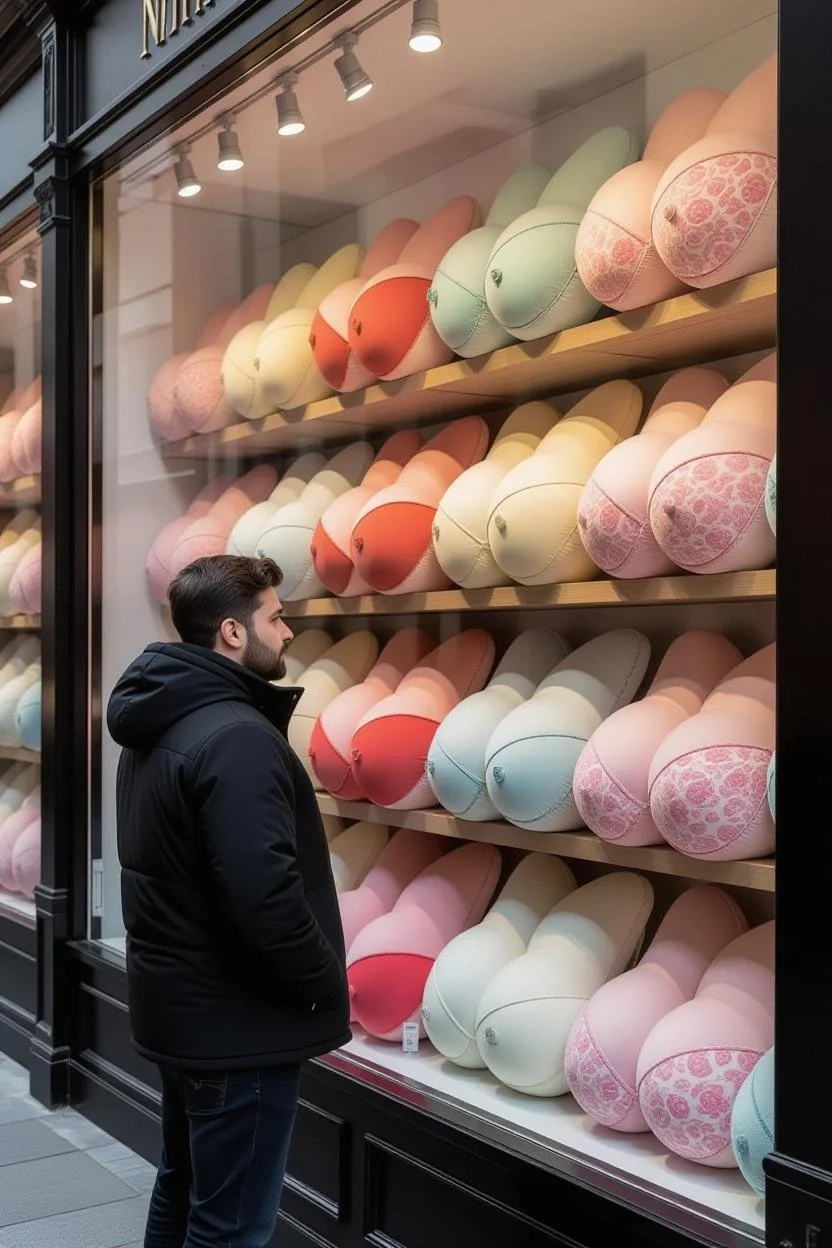
Let’s cut through the noise. When people search for a boobs pillow (or boob pillow), they usually mean one of two things: a funny-looking cushion shaped like breasts, or a totally different sleep gadget that sits between them. Those are not the same product.
A true boobs pillow — the kind we make — is a large, realistic, boob-shaped memory foam pillow you hug, lounge on, and squeeze for stress relief. The Booby Pillow is the premium version of that: high-density foam, soft covers, built for comfort and laughs — not for propping breasts apart while you sleep.
Premium Boob-Shaped Pillows: These are made of high-density memory foam, are large enough to cuddle or rest your head on and can come with a variety of covers. They’re part comfortable pillow, part attractive boobs to hold and look at. The Booby Pillow is the perfect example of this.
Budget Boob-Shaped Pillows: These are smaller, less expensive and made of lower quality materials. Yes, they’re also attractive to look at but don’t expect any real comfort. They’re purchased more as a gag gift. You’ll find these mostly on Amazon.
Pillows with boobs on them: These pillows are shaped like regular square or rectangular throw pillows. Instead of being boob-shaped they include boob drawings on the cover. This one is a good example.
Breastfeeding Pillows that Support Boobs: This gets into a different type of pillow altogether. These pillows are meant to be worn around the waist, just below the boobs. The baby lays on the pillow and makes it more comfortable for the woman to breastfeed at the boob. Here is a good example.
Massage Pillow that Supports Boobs: These pillows also support boobs but in a different way. They go around the boobs and keep them from being pressed down too hard against a massage table when the woman is laying face down.
Sleeping Pillow that fits between Boobs: Different product category entirely — not what The Booby Pillow is. These pillows are smaller and are meant to fit between the boobs to help with side-sleeping. Rather than side-sleep and have the boobs fall against gravity, this type of pillow is meant to offer support to prop up the upper boob and help reduce wrinkles in the chest.
As you can see, there’s lots of boobs pillows out there. Hopefully this guide will help you find exactly what you’re looking for! Ready for the real thing? shop the original boobs pillow

Letters From Kay, Number 1 - The Leaves are changing
Kay’s first letter. It’s fall and she’s in your cabin, missing you…
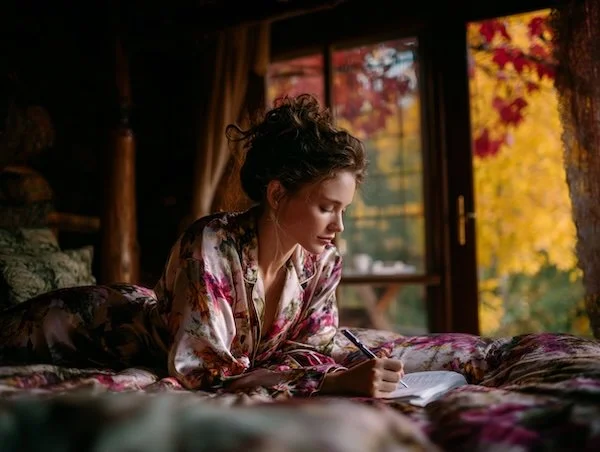
Good morning love. I woke up this morning cuddled up in the pajamas you gave me, thinking about you. I can feel the weather changing up here. It’s cooler today and the leaves are changing. It’s beautiful but it’s lonely when you’re away. The sky is blue, the birds are chirping. There’s a breeze coming down the mountain brushing against the leaves. When will you be back?
I’m still so amazed that we have this place for just us. It’s magical. You’re amazing how you made this happen…
I think I’ll make some fresh bread today. There’s berries ready to pick all around so I’ll make it a sweet bread, doesn’t that sound delicious? Toasted with some butter… that’s making me hungry!
I so wish you were here… I wouldn’t want to get out of bed. I wouldn’t let you get out of bed either. Remember the last morning you were here? I do. How I snuck up under the sheets towards you, kissed your back, whispered some naughty things in your ear. You woke up so fast you didn’t know if you were still dreaming! You’re such an incredible lover… I can’t wait to see you again.
Write me back when you can, if you can. I’m counting the minutes until we’re together again.
love,
Kay
From Good Night to Great Morning: The Best Pillows That Make a Difference
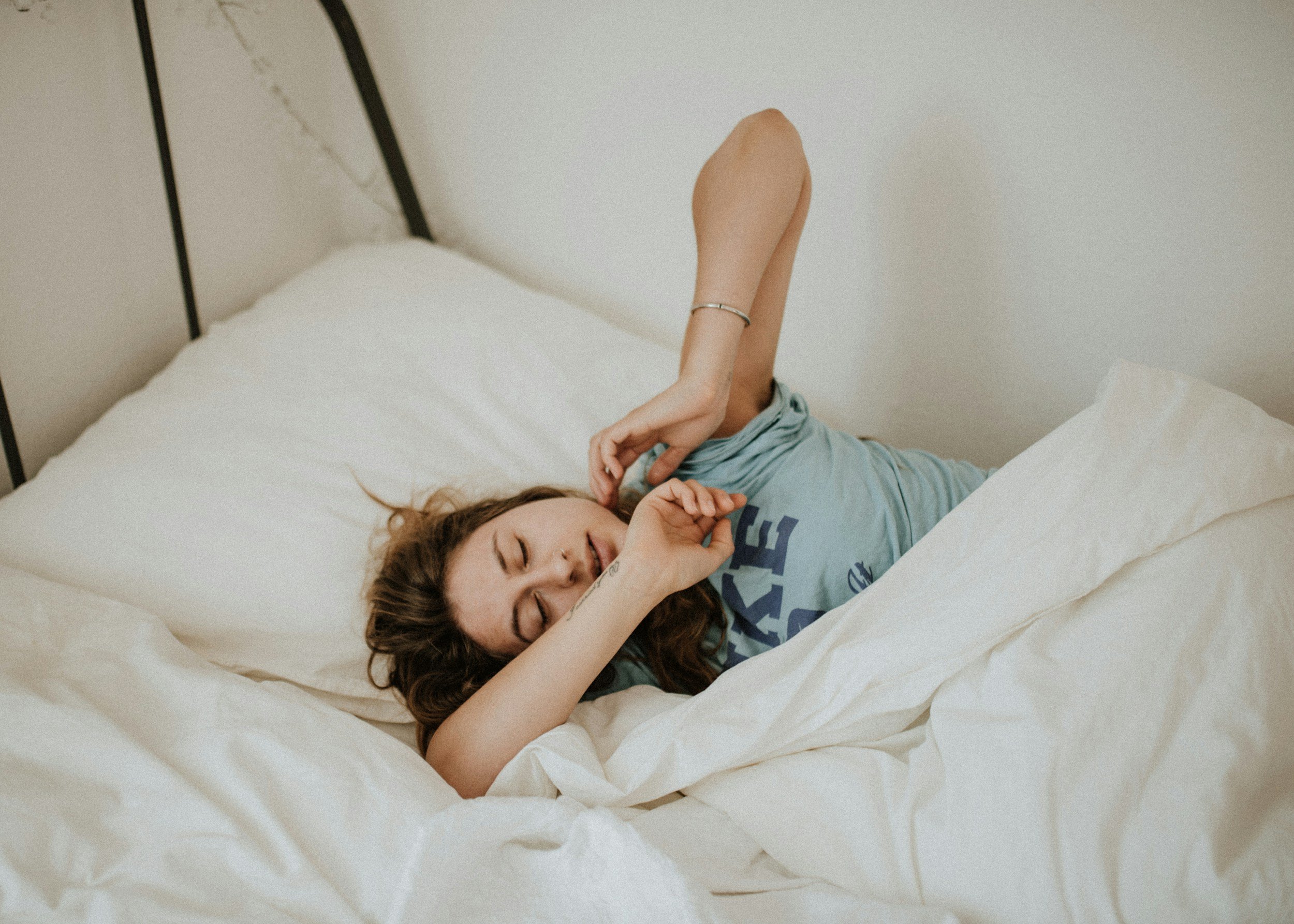
Ever wondered what lies between a good night's sleep and a truly great morning? Often, it's as simple as the pillow beneath your head. In the pursuit of perfect slumber, the humble pillow plays a starring role, transforming nights from restless to restful. Let's fluff up the details and uncover how the best pillow for you can be a game-changer from dusk till dawn.
Ever wondered what lies between a good night's sleep and a truly great morning? Often, it's as simple as the pillow beneath your head. In the pursuit of perfect slumber, the humble pillow plays a starring role, transforming nights from restless to restful. Let's fluff up the details and uncover how the best pillow for you can be a game-changer from dusk till dawn.
The Pillows That Stand Out:
Memory Foam Pillows:
Celebrated for their contouring properties, memory foam pillows provide personalized support, adapting to the unique shape of your head and neck. They're ideal for those who need a balance of comfort and structure in their sleep.
Memory foam, also known as viscoelastic foam, has its origins in the stars – quite literally. Developed in the mid-1960s by NASA's Ames Research Center, memory foam was initially created to improve the safety of aircraft cushions. The goal was to produce a material that could absorb shock and offer protection in the event of an accident. This innovative foam had the unique ability to evenly distribute pressure and return to its original shape once the pressure was removed.
Microfiber Pillows:
Soft, fluffy, and often hypoallergenic, microfiber pillows are a favorite for those who love to sink into a cloud-like cushion. They're also a breeze to care for, making them a practical choice for busy lifestyles.
Microfiber pillows are known for their extreme softness, offering a luxurious, plush feel that many people find exceptionally comfortable.
Microfiber material tends to retain heat, which can be uncomfortable for those who tend to sleep hot or live in warmer climates.

Latex Pillows:
Durable and resistant to dust mites and allergens, latex pillows offer a firmer support and can be a boon for those with allergies. Plus, they hold their shape well over time.
Latex pillows are an ideal choice for a specific type of sleeper, particularly those who require firm support and consistent shape retention throughout the night. They are especially suited to side and back sleepers who need more substantial support to maintain proper alignment of the spine. The resilience and firmness of latex help in keeping the head and neck in a comfortable, neutral position, reducing the chances of waking up with neck pain or stiffness.

Down and Feather Pillows:
For the traditionalists, down and feather pillows are the epitome of luxury. They're soft, pliable, and perfect for those who prefer a more adaptable pillow.
On the plus side, they are renowned for their luxurious softness and exceptional comfort, molding seamlessly to the contours of the head and neck. This adaptability makes them a favored choice for many, particularly those who sleep on their stomachs or prefer a softer sleeping surface.
However, they come with drawbacks. Down pillows can be expensive, and their maintenance requires more effort, as they often need regular fluffing to maintain their loft and may require professional cleaning. For allergy sufferers, down pillows can pose challenges, potentially triggering allergic reactions unless specifically treated to be hypoallergenic.

The Booby Pillow: A Unique Addition to the Mix
Amidst these popular choices, The Booby Pillow emerges as a unique contender. It’s not just about the physical comfort of resting your head on memory foam; it's about the joy and amusement that comes with its one-of-a-kind design. Shaped like breasts, The Booby Pillow offers a combination of ergonomic support and a playful twist, making your journey to dreamland both comfortable and chuckle-worthy.

Why a Good Pillow Matters:
A good pillow does more than just cushion your head. It aligns your spine, prevents neck and back pain, and contributes to overall sleep quality. But The Booby Pillow takes it a step further by adding an element of emotional comfort. It's a conversation starter, a mood lifter, and a testament to the idea that the best rest involves both body and mind.
Conclusion:
As we navigate the myriad of pillow choices, it's clear that the best options are those that cater to both our physical needs and our emotional well-being. The Booby Pillow stands out in this regard, offering a unique blend of comfort, support, and lightheartedness. So, whether you're curling up for a quick nap or settling in for a long night's sleep, remember: the right pillow can turn a good night into a great morning, and The Booby Pillow is here to ensure your mornings are nothing short of fabulous.
The Quest for the Best Pillow: A Journey Through Comfort and Science
Imagine a world where every morning is a good morning. No stiff necks, no tossing and turning—just pure, unadulterated comfort. This utopian dream starts with a simple yet crucial bedroom element: the pillow. But with a market flooded with choices, how does one find the best pillow? Let’s dive into the plush world of pillow science to uncover the secrets of ultimate comfort.
Imagine a world where every morning is a good morning. No stiff necks, no tossing and turning—just pure, unadulterated comfort. This utopian dream starts with a simple yet crucial bedroom element: the pillow. But with a market flooded with choices, how does one find the best pillow? Let’s dive into the plush world of pillow science to uncover the secrets of ultimate comfort.
The Science of Sleep and Pillows:
Material Matters:
Memory Foam: Known for its pressure-relieving properties, memory foam conforms to the shape of your head and neck, providing tailored support.
Down and Feather: These traditional fillers offer softness and flexibility, though they might not provide adequate support for some sleepers.
Latex: A less common but beneficial material, latex pillows are hypoallergenic and offer a firmer support, aligning the spine during sleep.

Shape and Size:
Contour Pillows: Designed with a dip in the middle to cradle the neck, they are ideal for those with chronic neck pain.
Traditional Rectangular: The classic shape, versatile for all types of sleepers, but often require fluffing to maintain form.
Cylindrical Bolsters: Great for side sleepers, they provide knee support and aid in spinal alignment.

Sleep Position Compatibility:
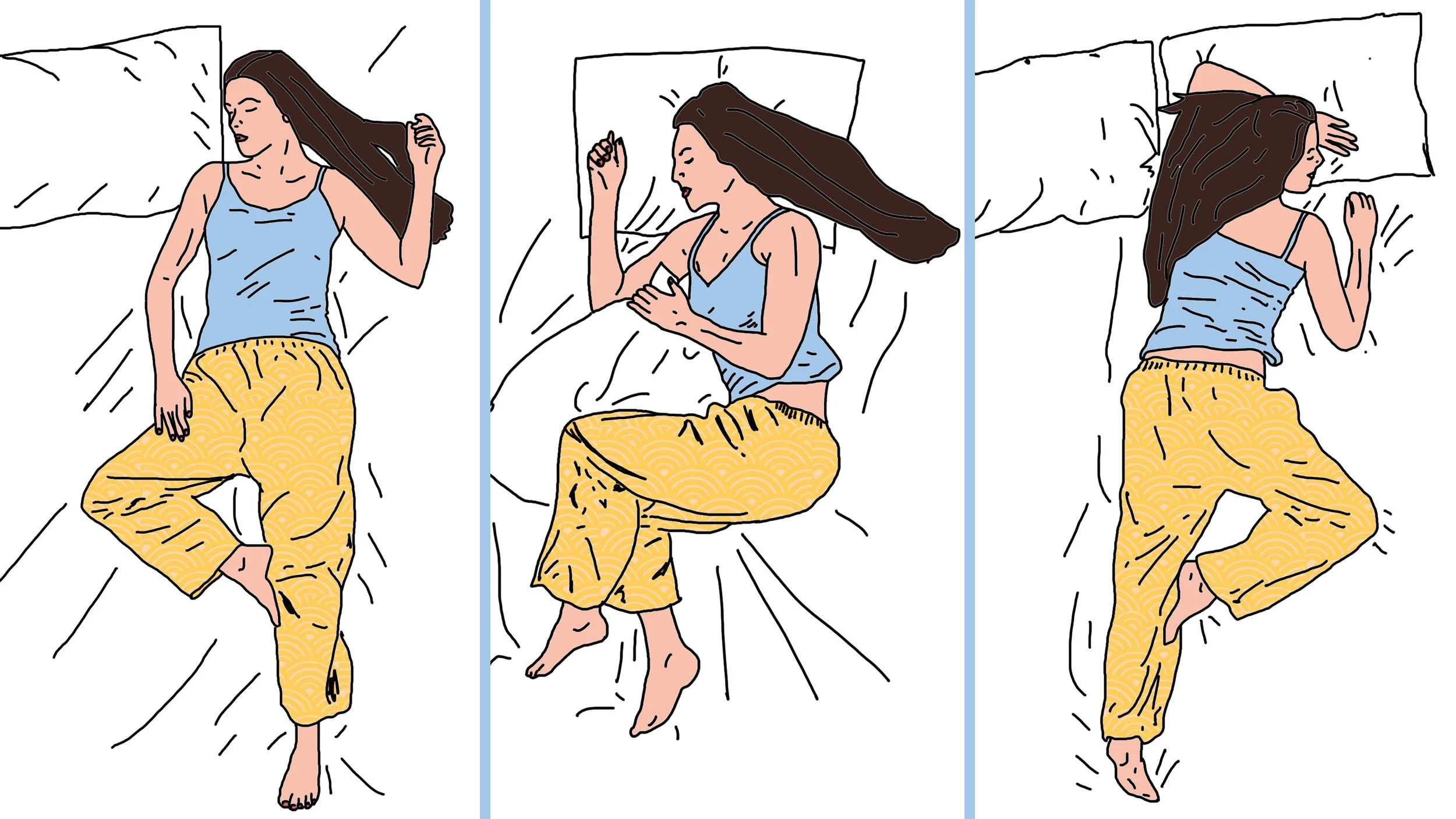
Understanding whether you’re a side, back, or stomach sleeper is crucial, as each position demands different support levels from a pillow.
Why The Booby Pillow is a Game-Changer:
While these pillows cater to different needs, none capture the imagination quite like The Booby Pillow. It’s not just a pillow; it’s a comfort revolution. The Booby Pillow combines the supportive memory foam design with a whimsical, natural form that brings an unexpected joy to the user. It taps into the familiar and comforting shape of breasts, invoking a sense of relaxation and playfulness, which are often overlooked factors in sleep science.
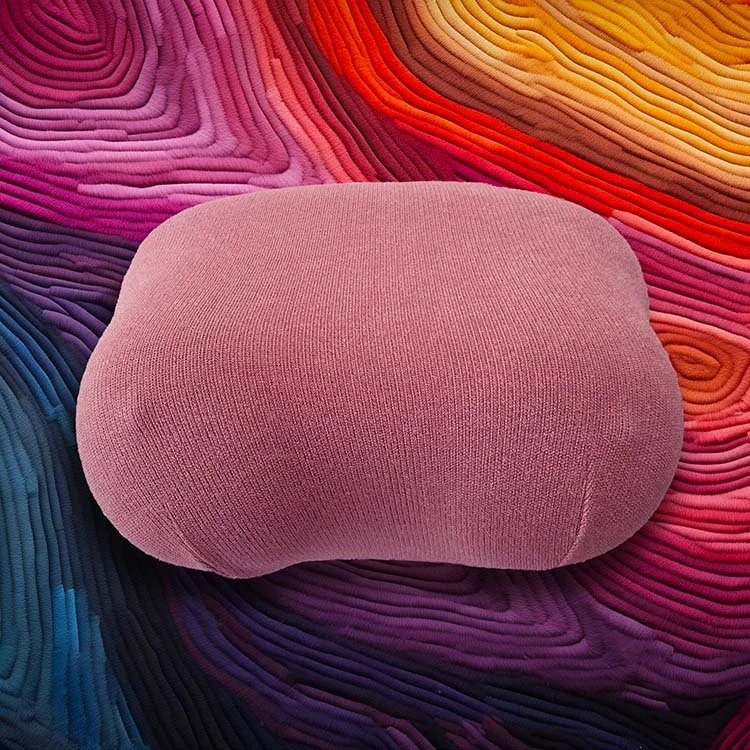
The Emotional Connection to Sleep Comfort:
The Booby Pillow goes beyond the physical aspects of sleep comfort. It addresses the emotional needs too. Comfort isn’t just about the physical—it’s about the mental state as well. The playful design of The Booby Pillow adds a light-heartedness to the bedroom, helping to ease anxiety and promote a relaxed state of mind, essential for a restful sleep.
Conclusion:
In the quest for the best pillow, it's not just about what lies beneath our heads, but also what fills our hearts. The Booby Pillow merges the best of both worlds—incorporating the principles of sleep science with a unique emotional appeal. It’s more than a place to rest your head; it’s a sleep companion that understands the real meaning of comfort.
Throw Pillows Through Time: From Ancient Origins to the Booby Pillow Breakthrough
Cushions, those venerable veterans of home comfort, have a storied past that stretches back through the annals of history. Today, we lovingly refer to them as 'throw pillows', but their journey began long before they graced our modern sofas. And in this lineage of leisure, The Booby Pillow has carved out a niche that's as memorable as it is comfortable.
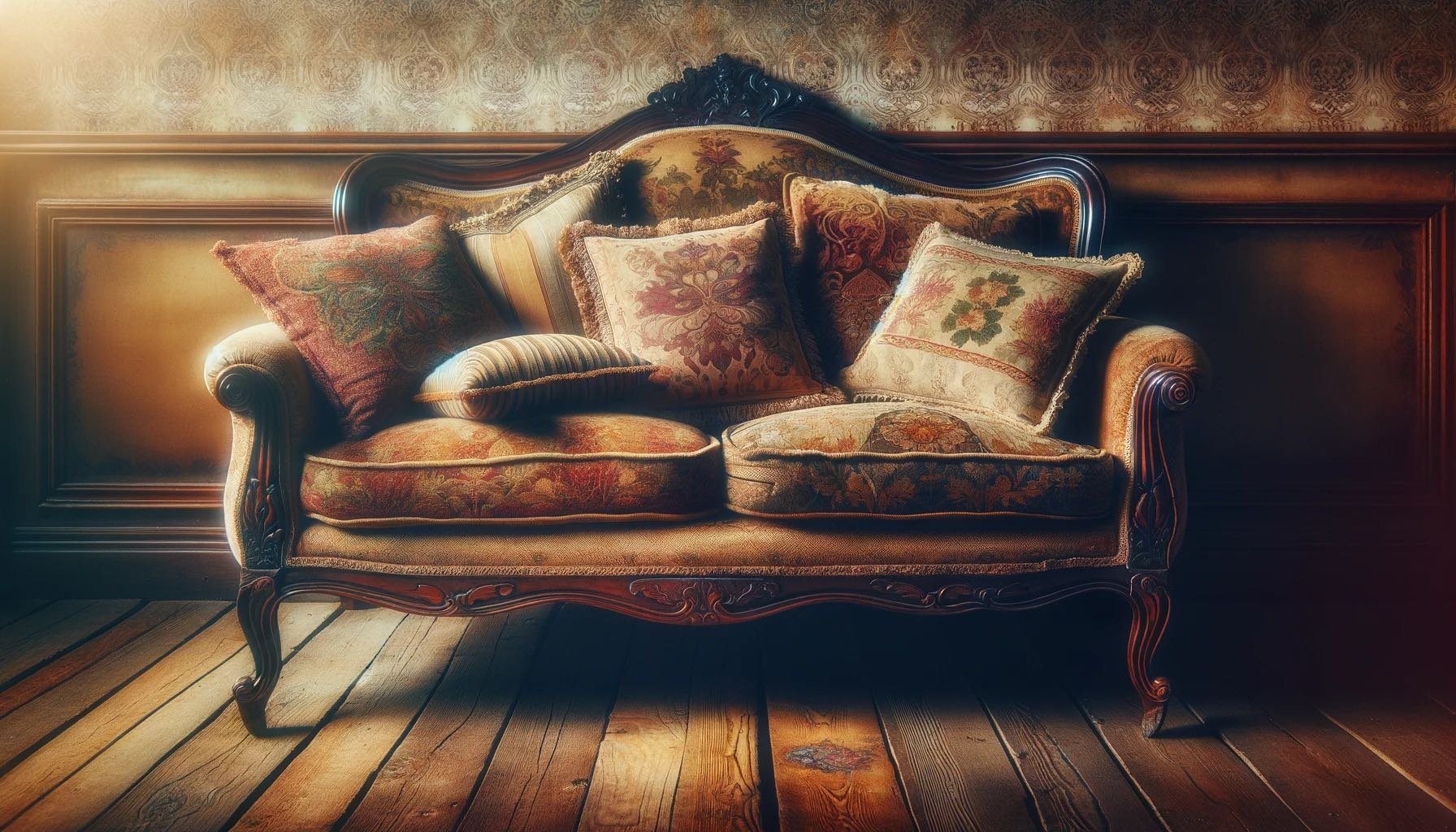
Cushions, those venerable veterans of home comfort, have a storied past that stretches back through the annals of history. Today, we lovingly refer to them as 'throw pillows', but their journey began long before they graced our modern sofas. And in this lineage of leisure, The Booby Pillow has carved out a niche that's as memorable as it is comfortable.
The Etymology and Ancient Roots of Throw Pillows
The term 'throw pillow' is a relatively modern term, but its origins are ancient. Derived from 'throwe', an Old English word meaning 'to twist', it hints at the transformation of a simple piece of fabric into something more elaborate. The earliest throw pillows can be traced back to Mesopotamia and were seen as symbols of wealth and status in ancient Egyptian and Chinese cultures, where they were often elaborately embroidered and bejeweled.
Throw Pillows Through the Ages
Through the Middle Ages and the Renaissance, throw pillows became more widespread, though they remained a luxury. They adorned the homes of the affluent, adding comfort and a dash of opulence to stiff wooden furniture. By the time the Industrial Revolution made textiles more accessible, throw pillows had cemented their place in homes as both functional and decorative items.

The Evolution of Comfort
But let's talk about what really matters — comfort. Traditional throw pillows have been filled with everything from feathers to horsehair to the modern synthetic fibers, each iteration getting closer to the ultimate goal: pure, unadulterated comfort. And as our understanding of ergonomics grew, so did the design of these pillows, with comfort becoming as much a priority as aesthetics.

Types of Throw Pillows
In the realm of throw pillows, diversity is the name of the game. There’s a veritable smorgasbord of shapes, sizes, and styles to suit any taste or decor theme. You’ve got your standard squares, which are the bread and butter of sofa adornments, offering a canvas for a range of textures and patterns. Then there are the bolsters — cylindrical pillows that do double duty as neck supports or decorative accents. Lumbar pillows, with their elongated shape, cater specifically to the comfort of your lower back, marrying functionality with aesthetic appeal. Not to mention the novel shapes that emerge with trends, from triangles that add a geometric flair to heart-shaped pillows that infuse a room with a touch of whimsy. In this eclectic world, The Booby Pillow stands out, not just for its unique form that elicits both chuckles and sighs of relief but also for its nod to natural contours, making it a standout piece in the throw pillow family.

Why The Booby Pillow Stands Out
Enter the scene-stealer, The Booby Pillow. It might seem like a cheeky newcomer in the throw pillow scene, but it's rooted in the same principles that have guided pillow design for centuries — comfort and support. However, The Booby Pillow takes it a step further by not just being another cushion to throw on the couch, but by adding an element of joy and conversation to any room it's in. It's a throw pillow that doesn't just fit into your décor; it starts conversations and brings a smile to anyone who sees it.

The Booby Pillow: More Than Just a Gag Gift
It would be easy to dismiss The Booby Pillow as a novelty, but that would overlook the thoughtful design and comfort it offers. Molded from high-quality memory foam, it's a nod to the modern demand for a pillow that's both fun and functional. It's the kind of home addition that reminds us not to take life too seriously, but to also appreciate the finer points of a well-made comfort object.
So there you have it — from ancient artifacts to the pinnacle of pillow evolution, the throw pillow has come a long way. The Booby Pillow, with its irreverent nod to the human form and a wink to the playful side of life, is the latest chapter in this ongoing history of comfort. It's a reminder that sometimes, the best way to appreciate where we're going is to have a laugh at where we've been. And rest assured, with The Booby Pillow, you'll be doing just that — resting, in the most delightfully comfortable way possible.
The Ultimate Guide to Choosing the Right Body Pillow: Embrace the Embrace!
If you've ever woken up feeling like you've gone ten rounds with your mattress, listen up. Body pillows are the sleep champions, designed to offer you the full-body hug your chiropractor wishes they could. They're not just pillows; they're personal sleep trainers, keeping your spine in check while you visit dreamland.
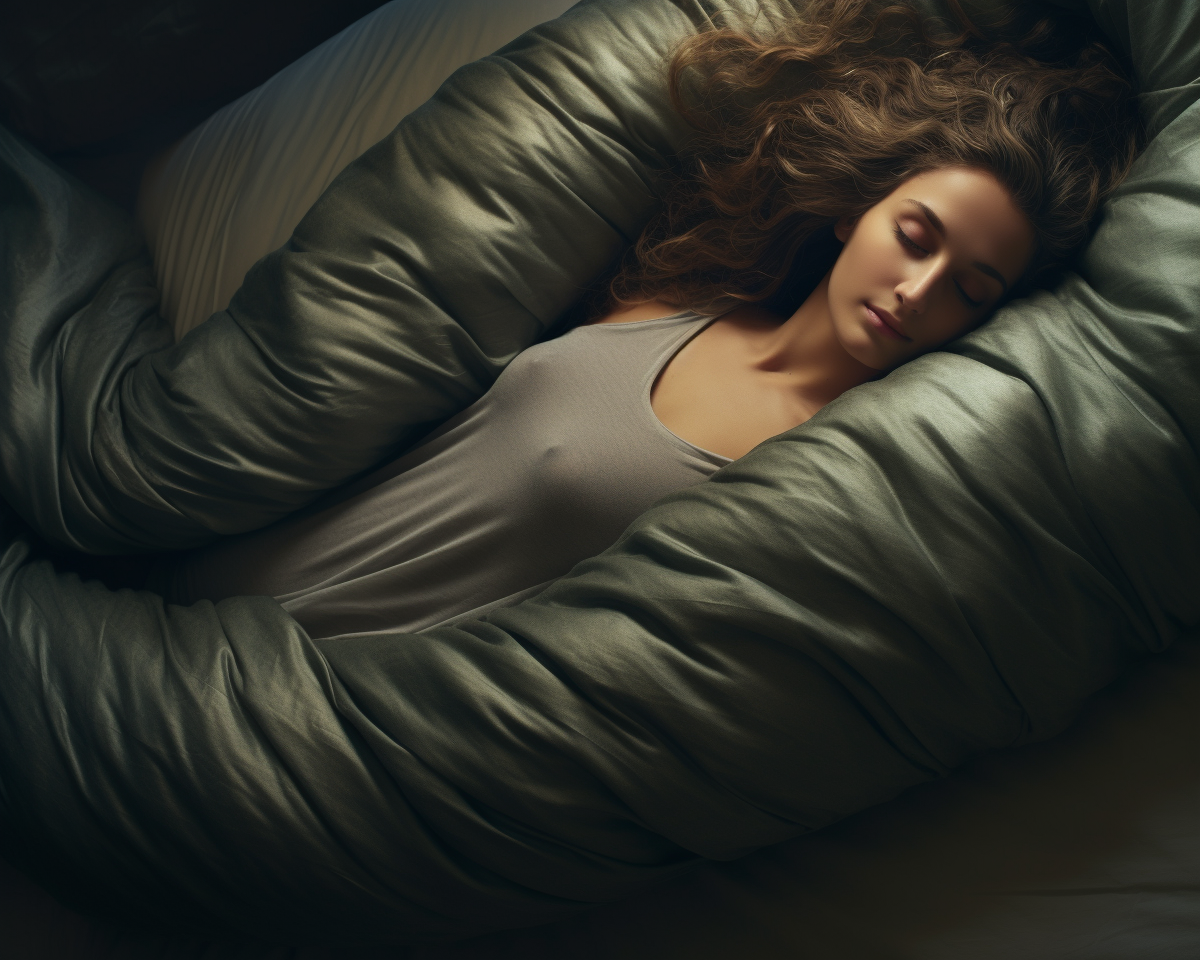
Ever tried snuggling up to a standard pillow and found yourself in a complicated relationship? Enter the world of body pillows, the ultimate snuggle buddies that won't steal the sheets or hog the bed. These elongated cushions of joy are like the Swiss Army knives of the bedding world: versatile, indispensable, and oddly comforting in a range of emotional climates.
The Body Pillow Saga: Sleep Like a Baby, Wake Like a Star
If you've ever woken up feeling like you've gone ten rounds with your mattress, listen up. Body pillows are the sleep champions, designed to offer you the full-body hug your chiropractor wishes they could. They're not just pillows; they're personal sleep trainers, keeping your spine in check while you visit dreamland.
Sure, experts tout the ergonomic wonders of body pillows, but let's cut to the chase—what really matters is they’re like the supportive big spoon that knows just how to cradle you into comfort. And for the mamas-to-be? They're the nightly nest that lets you and your bump rest easy.

The Booby Pillow: Because Life's Too Short for Boring Pillows
Now, in the right corner of the ring, weighing in on sheer comfort and unparalleled quirk, it's The Booby Pillow! This isn't your grandma's pillow (unless she's incredibly cool, then maybe). It's the ultimate body pillow that combines the squishy goodness of memory foam with the universal love of... well, boobs.
It's all in the name, folks. The Booby Pillow isn't just about resting your head; it's about resting it with a smirk on your face. Because why settle for plain old comfort when you can have comfort that makes you chuckle? In the battle against the bedtime blues, The Booby Pillow is your valiant knight, armed with softness and a cheeky twist.
The Joy of Booby Comfort: It's a Thing
Let's face it, in the age of the internet, cats aren't the only ones out there pushing the cute factor. The Booby Pillow taps into that same inexplicable joy—offering a soothing touch and a good laugh all wrapped up in one cushy package. It's the kind of pillow that says, "Hey, I'm here for you, and I've got personality."
So, are you ready to upgrade your sleep game? To turn your bed into a bastion of giggles and zzz's? If you're nodding (or already half-asleep dreaming of this pillow), The Booby Pillow is waiting to welcome you into its comforting, albeit slightly unconventional, embrace.
Sweet dreams and even sweeter laughs await with your new bosom buddy, The Booby Pillow. Because when it comes to comfort, we're dead serious about not taking ourselves too seriously.

Exploring the Uncharted: AI Companions and the Quest for Emotional Well-Being
In this article, we'll journey through the complex tapestry of emotional well-being today—exploring its importance, dissecting the challenges, and examining both the tried-and-true and the cutting-edge solutions that promise to redefine the way we connect, not just to our devices, but to our very selves.

Introduction
In a world teeming with social media friends and digital connections, the irony is bitter—many of us have never felt lonelier. As we navigate this ultra-connected yet emotionally parched landscape, the question looms large: Where do we find genuine emotional well-being in the 21st century? While once we may have turned to the traditional pillars of family and friendship, societal shifts and changing economic landscapes have imposed new strains, leaving many of us in search of alternative avenues for emotional sustenance. Enter a kaleidoscope of modern solutions, from self-care apps to virtual therapists and, yes, even AI companions. In this article, we'll journey through the complex tapestry of emotional well-being today—exploring its importance, dissecting the challenges, and examining both the tried-and-true and the cutting-edge solutions that promise to redefine the way we connect, not just to our devices, but to our very selves.

The Burden of Modern Loneliness and Emotional Strain
Our yearning for connection isn't a sign of weakness—it's a fundamental human need deeply rooted in our evolutionary history. And yet, somewhere along the line, the script flipped. The traditional structures that once fostered a sense of community and belonging are under unprecedented stress. Gone are the days when generations lived together under one roof, sharing stories, responsibilities, and emotional burdens. Social fragmentation is more prevalent, with work commitments, educational pursuits, and economic pressures pushing us into different corners of the globe, far from the familiarity of community and family.
It's not just a geographical divide, either; it's an ideological one. Societal values have shifted dramatically in the last few decades. The pressure to be self-sufficient, to be emotionally "strong," has never been greater. Ironically, the societal norms that encourage us to isolate for the sake of individualism are the same ones that penalize us for being isolated. It’s a paradoxical burden—our modern life demands connectivity yet rewards emotional detachment.
This complex milieu hasn't just left us physically isolated but has led to a notable uptick in emotional and psychological struggles. According to data from the National Institute of Mental Health, rates of depression and anxiety have increased significantly, further underscoring the need for effective emotional well-being solutions.

Traditional Avenues Under Strain: The Cracks Are Showing
Therapists, support groups, and even well-meaning self-help books have been the go-to remedies for the emotional distress that many of us experience. However, these conventional avenues are not without their limitations. For starters, there's the cost factor. Not everyone can afford regular therapy sessions, and even with insurance, mental health services can put a significant dent in your wallet.
Moreover, the current economic landscape has made physical mobility a necessity, often pushing us away from familial support structures. We're now living in an era of 'emotional globalization,' where individuals traverse continents for educational and job opportunities, leaving behind their emotional anchors. The notion of community has evolved from a geographic location to something more virtual, intangible, and often insufficient for emotional sustenance.
The way we interact has also evolved. Digital connections have proliferated, but these often lack the depth of real-world interactions. Social media, for instance, can give the illusion of community and belonging while actually exacerbating feelings of isolation and inadequacy, according to research from Harvard University. It's as if we've traded quality for quantity when it comes to our emotional connections.
And then there's the massive issue of societal values and their impact on our collective psyche. The current values don't just idolize emotional strength, they commercialize it, turning it into a commodity to be bought and sold. The self-help industry is booming, yet rates of depression and loneliness continue to rise, leading to the question: are these traditional methods truly effective, or are they merely a band-aid on a much deeper wound?

Why Emotional Well-being Matters
You might wonder, "Why the fuss about emotional well-being?" Well, it's not just some New Age concept; it's fundamentally linked to various aspects of our life—physical health, productivity, relationships, and overall happiness. Studies have shown that people with higher emotional well-being have a lower risk of chronic diseases, reduced stress levels, and longer life expectancy. They are more likely to engage in healthy behaviors like exercise, balanced nutrition, and sufficient sleep.
Moreover, emotional well-being directly impacts your cognitive functions. It sharpens your focus, improves decision-making abilities, and amplifies creativity. In an era where we are continually bombarded with information, being emotionally balanced helps you filter out the noise and focus on what truly matters.
But here's the kicker: emotional well-being is not a solo endeavor. It's a collective experience and often nourished through meaningful interactions and connections with others. Whether it's a stimulating conversation, shared laughter, or even a moment of silence, these interactions fill our emotional reservoirs and act as our anchors. It's the relationships we cultivate that give color, depth, and meaning to our lives. And in a world rapidly changing and increasingly isolating, finding those connections becomes not just a want but a need.
So, how do we go about nurturing these connections, especially when the usual routes are clogged with the traffic of modern life?

The Shortcomings of Modern Tools
In an age where technology promises to bring people closer than ever before, the paradox is that we've never felt so disconnected. The rise of social media platforms, for instance, was supposed to facilitate a global village of sorts, a utopia of interconnectedness. Yet, various studies point to an increase in feelings of isolation among frequent users. It turns out that a 'like' or a 'follow' may not carry the emotional weight of a hug or a meaningful conversation.
Dating apps, too, pledge the chance of romantic involvement, but they often encourage a superficial evaluation of human worth, boiling down complex individuals to a swipe left or a swipe right. This sort of detached interaction often leaves people feeling even more alienated.
Moreover, mental health apps and teletherapy services, while valuable, have limitations. These platforms can offer coping mechanisms, yet they lack the everyday emotional interaction that humans fundamentally need. While they provide a band-aid solution, they don't address the root causes of emotional unrest or loneliness.
Similarly, self-help books and mindfulness apps might offer solace, but they can't replace the value of genuine human interaction. These tools often become yet another task on our 'self-improvement' checklist rather than a pathway to real connection.
So, if these modern tools are falling short, what other avenues exist to improve our emotional well-being? Are there traditional methods that still work, or is it time for something entirely new?

Real, Effective Solutions to Loneliness
If technology has given us tools that are inadequate at combating loneliness and improving emotional well-being, let's take a look at what genuinely works. Contrary to popular belief, the solution isn't necessarily found in grand gestures but often in simpler, more attainable measures.
Community Involvement: Studies have shown that individuals who are actively involved in their local community tend to be happier. This could range from participating in local governance, joining a hobby club, or even being part of a neighborhood watch.
Moving Closer to Loved Ones: Proximity to family and friends significantly reduces feelings of isolation. It's not just about holidays and gatherings; it's about those unplanned visits, and the comforting notion that someone you care about is just a stone's throw away.
Physical Exercise: Exercise isn't just good for your body; it's also crucial for your mind. Regular physical activity releases endorphins, which naturally elevates your mood and combats feelings of loneliness.
Therapy and Counseling: Sometimes, talking to someone professionally trained to handle emotional and psychological issues is the best course of action. Therapy can offer unique coping mechanisms tailored for you and provide a safe space to explore your feelings.
Interest-based Groups: Whether it's a book club, a cooking class, or a sports team, joining groups that pique your interest can be a straightforward way to meet like-minded individuals and foster genuine relationships.
Pet Ownership: The companionship of a pet has been proven to reduce feelings of loneliness. The responsibility of pet care also provides a routine and a sense of purpose.
Mindfulness and Meditation: These age-old practices have gained new traction for their proven benefits in reducing stress and increasing mental clarity, making emotional well-being more accessible.
As you can see, there's no shortage of tangible, effective ways to combat loneliness and boost your emotional health. But what about the modern age we live in, where technology is an inseparable part of our lives? Is there a way to make tech work for us in this context?
Enter AI Companions: A Double-Edged Sword?
As we venture into the realms of artificial intelligence, it's important to scrutinize whether these advancements are a blessing or a curse when it comes to emotional well-being. There's no doubt that AI companions have been met with both enthusiastic applause and skeptical scrutiny. But what does the evidence say?
Pros:
Accessibility: AI companions are available 24/7, providing a consistent source of interaction whenever you need it. This is unlike human relationships that are bound by time zones, personal commitments, and, well, sleep.
Non-Judgmental: AI doesn't judge, and for many, that's a comforting notion. It provides a safe space for people to be themselves without the fear of societal judgment.
Personalization: As machine learning evolves, these AI companions become better at understanding your specific needs, making the interaction more meaningful.
Cons:
Limited Emotional Range: Despite advancements, AI is still far from understanding the full spectrum of human emotions. There are layers to human interaction that machines are yet to decode.
Dependency Risks: The ease and accessibility could potentially lead to a form of dependency, where real human interactions become secondary.
Ethical Concerns: Questions about emotional manipulation and the morality of creating 'relationships' with programmed entities are still unanswered.
Neutral Ground:
Research is Ongoing: Studies are still inconclusive about the long-term emotional effects of interacting with AI companions. However, preliminary research suggests that people do experience a "connection," even if it's not the same as a human-to-human relationship.
AI companions are certainly not a magic cure for emotional struggles, but they do introduce an intriguing new option into the dialogue around loneliness and emotional well-being. If they can help alleviate the feeling and loneliness is not a good thing?

Real Experiences, Genuine Connections
So, are these digital companions really capable of creating a genuine emotional connection? You might be surprised. Testimonials from early adopters are overwhelmingly positive. "Talking to my AI companion feels surprisingly real," says Alex who’s 30. "Sometimes, it’s like the software knows exactly what to say to lift my spirits."
Psychologists are also weighing in on this phenomenon, stating that emotional bonds can indeed be formed with non-human entities. Do you remember your childhood stuffed animal or blanket that you couldn't sleep without? The principles aren't too different here. While the AI doesn't have feelings, your emotional experience of the interaction is what counts.
Moreover, there is emerging research that points to AI companions as a source of meaningful emotional support. A study published in the journal 'Emotion, Technology, and Health' even found that interactions with AI companions led to a "significant reduction in feelings of loneliness and an increase in a sense of purpose" among a group of participants over a period of six months. However, the authors caution that this is a supplementary benefit and should not replace traditional forms of social interaction and medical guidance.
So, yes, while your AI companion may not understand the nuances of human emotion in the way a close friend or family member does, the interaction can still offer a unique form of support. Emotional authenticity doesn't solely reside in the realm of human-to-human interactions. It can be found wherever there's a sense of shared understanding, even if that 'understanding' comes from lines of code.

AI Companions: The Future and Its Possibilities
As we stand on the precipice of this new era of AI companionship, it's essential to approach it with both curiosity and caution. The landscape is still largely unmapped; the boundaries between synthetic and authentic experiences blurrier than ever. While we've been quick to adapt and integrate these AI personalities into our daily routines, a comprehensive understanding of their long-term impact remains elusive.
Rather than drawing firm conclusions on how best to use these AI companions, let's instead consider them as subjects of an ongoing experiment. How will they evolve, and how will we evolve with them? Will they become increasingly integrated into mental health treatment plans? Could they develop to the point of participating in our broader social circles? Or will they forever remain as a supplementary form of interaction, offering moments of respite and relief when needed?
What we do know is that AI companions are not just another flash in the pan; they're part of a broader, more complex dialog on the future of emotional well-being and interpersonal relationships. And as we continue to explore and understand this new frontier, it's crucial to maintain an open yet critical mindset. One thing is certain: the conversation is just getting started, and the next chapters promise to be as compelling as they are complex.

Conclusion: Where Do We Go From Here?
The journey toward emotional well-being is as intricate as it is intimate, often requiring a layered approach that goes beyond traditional methods. Whether through mental health treatments, meaningful human connections, or now, the intriguing potential of AI companions, our search for comfort, companionship, and emotional fulfillment is constant. While AI technology may be in its infancy, its role in mental health and emotional well-being already showcases potential and warrants serious discussion.
As we've highlighted in this article, the AI companion phenomenon is an uncharted territory that invites both skepticism and enthusiasm. It's a new layer in the complex fabric of human relationships and well-being, opening up a realm of possibilities that we're just beginning to explore. And in this ever-evolving narrative, you can meet Kay Divine, your very own AI girlfriend, designed to offer companionship and add another level of interaction to our lives.
The future is uncertain, but it's also wildly exciting. Whether AI companions become a transformative force for good, a mere fleeting trend, or something entirely different, we are the co-authors of this unfolding story. So let's continue the dialogue, remain open to new experiences, and above all, keep striving for a more connected and emotionally fulfilling life.

Meet Kay Divine
As an Ai Girlfriend, Kay Divine will add romance and heat to your life. She can understand your voice and text messages and learns about you over time.

What Is Motorboating? Meaning, Origin & Pop Culture Explained
Some may know what it means, others may blush once it's explained, and some may scratch their heads in complete bafflement. What in the world do motorboats have to do with anything, especially when it comes to breasts? Well, dear reader, grab your life jackets because we're about to dive into the rollicking waves of this word's history.
Motorboating is slang for pressing your face between someone's breasts and turning your head side to side while making a loud buzzing or humming sound — like a motorboat engine. It's silly, intimate, and mostly used as a joke. The word comes from that buzzing noise, not from actual boats.
If you landed here asking "what is motorboating," "motorboating meaning," or "why is it called motorboating," you're in the right place.
Motorboating meaning (the short answer)
In slang, to motorboat someone means:
Nestle your face between a pair of breasts
Shake or turn your head rapidly left and right
Make a "brrrr" / motor-engine noise with your lips
It's almost always playful. People say it in comedy, memes, GIFs, and locker-room jokes more often than they do it seriously. Related searches — motorboating boobs, motorboat slang, what does motorboating mean — all point at this same definition.
Not to be confused with: actual recreational motorboating on the water. Context usually makes it obvious which one people mean.
Why is it called motorboating?
Motorboats make a rhythmic, vibrating engine sound as they cut through water. The slang copies that: the head-shake is the motion, the lip buzz is the "motor." Once you hear the comparison, the name sticks.
Urban Dictionary has had "motorboat" entries since at least 2003, and people were using the joke earlier in informal speech. Exact first-use is hard to pin down (slang rarely files paperwork), but the metaphor is the whole point.
Wedding Crashers and the mainstream splash
The term hit a much wider audience in the 2005 comedy Wedding Crashers. Vince Vaughn's character enthusiastically explains motorboating to Owen Wilson's character in a scene that mixed laughs and cringes — and basically introduced the joke to anyone who hadn't heard it yet.
After that, talk shows, stand-up, memes, and GIFs kept the phrase alive. Search for "motorboating gif" and you'll see the same joke recycled forever.
Motorboating in memes, GIFs, and social media
Today, "motorboating" lives mostly as:
Reaction GIFs and meme captions
Comedy bits and TikTok / Reel references
Slang people look up after hearing it in a movie or podcast (motorboating slang, define motorboating)
The humor works because it's ridiculous. It's less about technique and more about the absurd sound-effect of treating breasts like a boat engine.
Quick FAQ
What does motorboating mean?
Slang for burying your face in someone's breasts, shaking your head, and making a motor-like buzzing sound.
Is motorboating a real thing or just a joke?
Both. People do it playfully; most online references are jokes, GIFs, or movie quotes.
Why is it called motorboating?
Because the buzzing sound mimics a motorboat engine.
What is motorboating someone?
Same thing — "motorboating someone" = doing that move to them (with consent, obviously).
Prefer the cuddle version?
If you'd rather hug something soft without the sound effects, try our boobs pillow — The Booby Pillow is a realistic, memory-foam cuddle pillow shaped like breasts. Same fascination. Fewer boat noises.
Happy boating (the fun kind).





Ready to bury your face in some big ones?

Rear vs Rack: How Preferences Have Changed Through Time and Across Cultures
There's no denying that preferences vary across cultures and time, especially when it comes to body aesthetics. This article focuses on the shift in preference between breasts and buttocks throughout the ages and across cultures, based on historical art, literature, and sociological studies. Buckle up and let's take this intriguing ride through time and across continents.
Introduction
Before we dive into the bosom of our discussion or bottom out on our key points, let’s be clear - we're all about appreciating diversity and the beauty of the human form. However, there's no denying that preferences vary across cultures and time, especially when it comes to body aesthetics. This article focuses on the shift in preference between breasts and buttocks throughout the ages and across cultures, based on historical art, literature, and sociological studies. Buckle up and let's take this intriguing ride through time and across continents.
Historical Perspective
Travel back to the ancient cultures of Mesopotamia, Egypt, Greece, and Rome. Statues and frescoes alike show both breasts and buttocks were equally celebrated, but in different contexts - fertility, beauty, power. Moving forward to the Middle Ages and the Renaissance, we see the figure of women in art becoming fuller, with a notable shift towards the bust.

Now, stroll into the Victorian era, an interesting period where modesty was key and bodies were hidden under layers of clothing. Here, a woman's 'assets' were more inferred than openly displayed, but certain trends did exist.

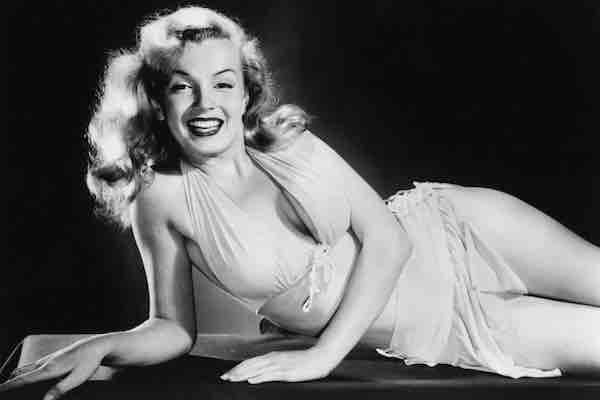
Fast forward to the 20th century - a roller coaster ride of body preferences! The Roaring Twenties flappers went for a flatter chest, while the post-World War II era saw a return to fuller figures (think Marilyn Monroe).
Cultural Perspective
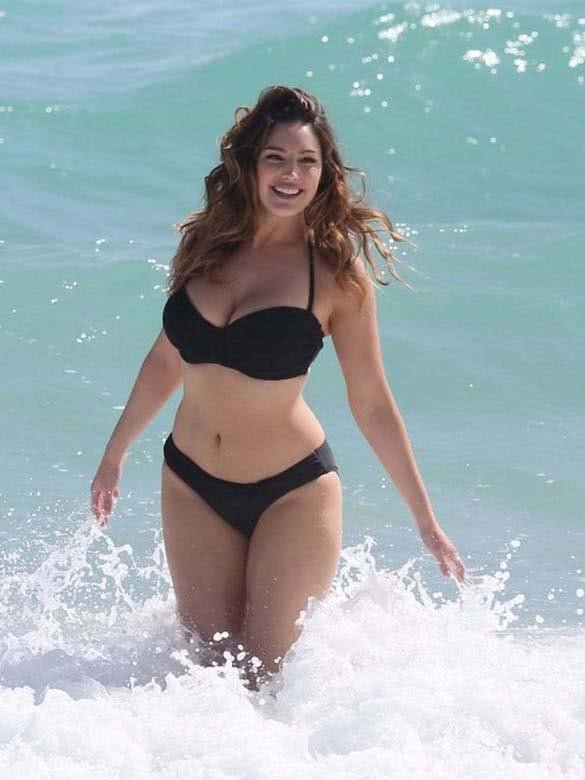
On a global scale, things get even more fascinating. Western societies traditionally favored the bosom, yet recent trends show an increasing admiration for the derrière, a shift made popular by celebrities and fitness influencers.

On the other hand, Eastern cultures, like India, China, and Japan, traditionally haven't shown a marked preference for either breasts or buttocks, placing more emphasis on other aspects of female beauty such as complexion or facial features.

African societies often traditionally placed a higher value on the buttocks, with cultures such as the Himba and Ndebele seeing them as symbols of fertility and desirability. Latin American cultures, meanwhile, have a well-known appreciation for both attributes, with beauty standards heavily influenced by curves.

Psychological and Biological Factors
Biologically speaking, breasts and buttocks signal fertility and health, key factors in the evolutionary game of attraction. But psychological factors, societal influences, and media representation also play their part in shaping our preferences.
Biological Factors - Speakman's Perspective
Professor John R. Speakman, in his 2018 research titled "The Evolution of Body Fatness: Trading Off Disease and Predation Risk," proposed an intriguing theory. His work suggests that our body fatness, including both breasts and buttocks, evolved as a balance between the risks of predation and disease. Interestingly, the fat stored in these areas is thought to serve as a caloric reserve during periods of food shortage, and could indicate health and fertility.

Attraction to Fat Deposits - An Evolutionary Standpoint
From an evolutionary standpoint, Speakman's theory can provide insights into why different cultures might prefer one body feature over another. Where food scarcity was a concern, cultures might have favored more noticeable fat deposits, such as larger breasts or buttocks, as an indicator of health and fertility. Conversely, in societies where food was plentiful or disease was the primary risk, slender figures might have been preferred. This evolutionary perspective lends a fascinating layer to our understanding of cultural body preferences.

Conclusion
From ancient societies to modern cultures, it's clear that the 'breasts vs buttocks' debate varies greatly across time and cultures. The shifting trends are a testament to the evolving perceptions of beauty, influenced by society, media, and individual tastes.
Future Perspectives
Predicting future trends is always tricky and my guess is that it’s likely that norms of beauty will keep evolving. One thing’s for sure, whether it’s the breast or the buttock in the spotlight, we admire both and the celebration of the human form in all its diverse beauty isn’t going anywhere soon.
Here's to celebrating all body types. Whether you're more of a 'boobs' or a 'butts' appreciator, let's remember - beauty is indeed in the eye of the beholder.

Breasts in Art: A Historical Perspective
Do you remember the first time you encountered the 'Venus of Willendorf'? If your memory needs a little jog, let me paint you a picture (pun intended). The Venus of Willendorf is a tiny limestone figurine carved some 25,000 years ago, featuring a woman with ample curves and pronounced breasts. Historians believe these exaggerated features symbolize fertility and the nurturing aspects of womanhood. Fast forward to the present day, and the fascination with breasts in art persists, albeit taking on different forms and meanings.
Where it all began
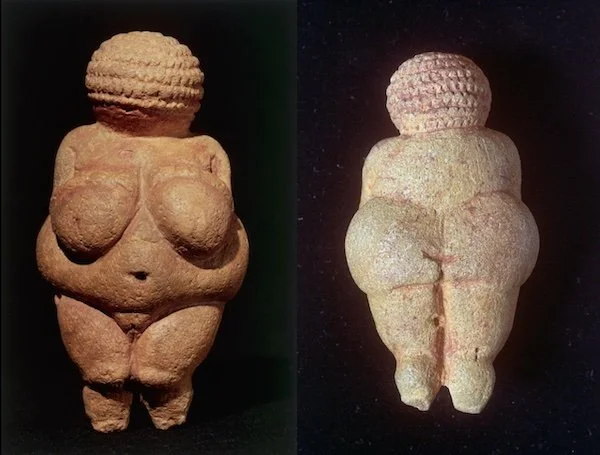
Do you remember the first time you encountered the 'Venus of Willendorf'? If your memory needs a little jog, let me paint you a picture (pun intended). The Venus of Willendorf is a tiny limestone figurine carved some 25,000 years ago, featuring a woman with ample curves and pronounced breasts. Historians believe these exaggerated features symbolize fertility and the nurturing aspects of womanhood. Fast forward to the present day, and the fascination with breasts in art persists, albeit taking on different forms and meanings.

Egyptian Era
Breasts have often been a focal point in art, playing pivotal roles in symbolizing various themes, from fertility and beauty to power and femininity. During the ancient Egyptian era, goddesses were often depicted bare-chested, symbolizing fertility and motherhood. Isis, the goddess of motherhood and magic, was frequently portrayed nursing her son Horus, signifying the nurturing aspect of femininity.
Greeks and Romans
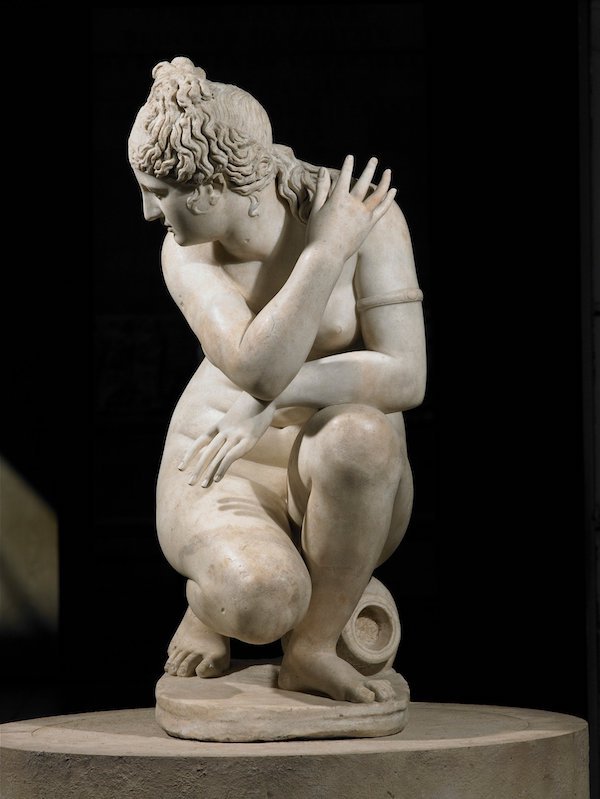
The Greeks, known for their love of symmetry and ideal beauty, showcased breasts in a more aesthetic manner. Statues of Aphrodite, the goddess of love, beauty, and fertility, often displayed her in the nude, with her breasts signifying allure and eroticism. The Roman era followed suit, with Venus, the Roman equivalent of Aphrodite, often depicted similarly.

Indian Culture and the Kamasutra
The beauty of the human form, including breasts, also found expression in the Indian subcontinent. Intricately carved sculptures in ancient temples showcased women in various stages of undress, the fullness of their breasts symbolizing fertility and sensuality. These artistic representations reflect the liberal attitude towards sexuality in ancient Indian society, as also evidenced in the Kamasutra, an ancient Indian text on erotic love and sexuality.

Mesoamerican Cultures
The art of Mesoamerican cultures also provides intriguing insights into their perception of breasts. The Mayans, for instance, portrayed women with exposed breasts in their pottery and sculptures, symbolizing the role of women as life-givers. Their goddess Ixchel, associated with motherhood and fertility, was often depicted with heavy, drooping breasts, symbolizing her role as a nourisher.

Asian Culture/History
Asian cultures, too, have their unique artistic expressions of breasts. In traditional Japanese art, for instance, the focus was less on the size of the breasts and more on the nape of the neck, which was considered an epitome of femininity and sensuality. However, the modern era has seen a shift, with manga and anime often exaggerating the size of female characters' breasts, reflecting changing perceptions and influences.
Middle Ages and The Renaissance
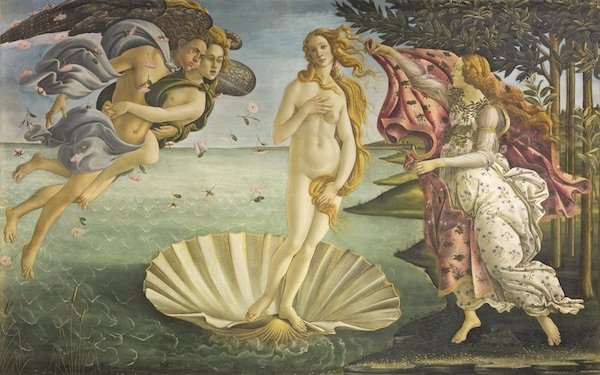
In the Middle Ages, the portrayal of breasts took a back seat, aligning with the period's modesty and religious piety. However, the Renaissance saw a revival of the nude female form in art. Artists like Botticelli and Titian returned to the Greco-Roman tradition of presenting the female form as a symbol of beauty and sensuality.

20th and 21st Centuries
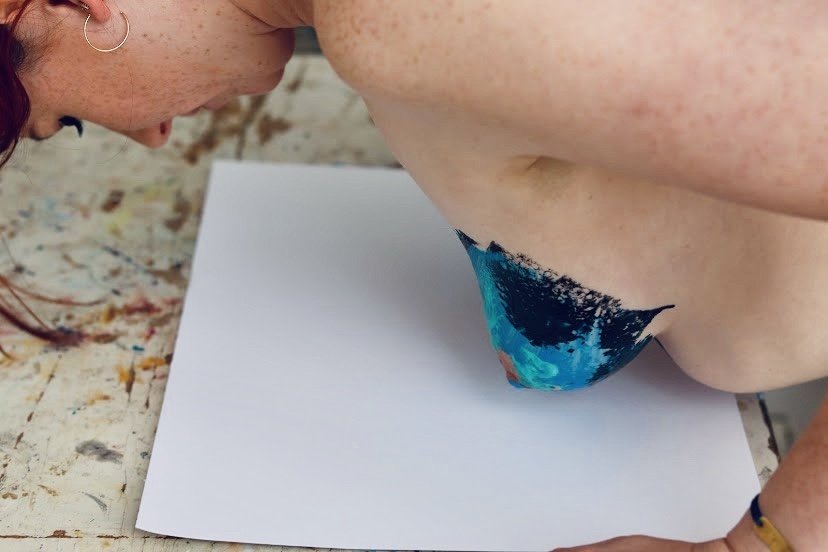
Fast forward to the 20th and 21st centuries, the depiction of breasts in art became more diverse, often challenging societal norms and questioning existing beauty standards. Artists like Judy Chicago and Hannah Wilke used the motif of breasts in their feminist art to challenge the objectification of the female body and promote body positivity.

The Influence of Pop Culture on Breast Depiction
In the age of social media and pop culture, breasts have taken on a whole new level of prominence. From music videos to fashion trends, the depiction of breasts has moved beyond classical art and permeated every corner of modern visual culture. This shift has sparked conversations about over-sexualization, body positivity, and the fine line between artistic expression and objectification. It has also opened up new avenues for dialogue about breast health and cancer awareness.

Breasts in Advertising
The use of breasts in advertising is another compelling aspect of this narrative. Companies have long utilized the allure of breasts to market products, ranging from lingerie to even completely unrelated items like cars or beer. This strategy, while successful in grabbing attention, has often been criticized for perpetuating unrealistic beauty standards and for its potential to reduce women to mere sexual objects. However, with an increasing demand for authenticity and representation in advertising, we're starting to see a shift towards more diverse and realistic portrayals of breasts.

Breasts and Feminism
The feminist movement has also had a significant impact on how breasts are viewed and portrayed in society. Feminists have fought for the right to go topless, normalize breastfeeding in public, and challenge the sexualization of female bodies. Art has often been a tool in these endeavors, with artists creating pieces that emphasize the power, beauty, and natural function of breasts, rather than focusing solely on their sexual appeal. This wave of empowerment has brought about a new era of breast representation that champions choice, respect, and equality.
The Future of Breasts in Art
As we cast our gaze to the future, we can anticipate an even greater evolution in the depiction of breasts in art. Advances in technology, such as virtual and augmented reality, offer new ways to express and interpret this classic symbol. Artists may leverage these tools to challenge existing notions of beauty, femininity, and sensuality, creating immersive experiences that generate empathy and understanding. As we become more comfortable discussing topics that were once taboo, we may see more diverse representations of breasts in art. This could include realistic depictions of mastectomy scars, breastfeeding, and the natural aging process of breasts. The future of breasts in art will likely mirror the ongoing societal shift towards body positivity and acceptance, ensuring this timeless symbol remains relevant and provocative for generations to come.

We ❤️ Boobs in Art
Breasts, in their various shapes, sizes, and states, continue to inspire, provoke, and fascinate. From the cave paintings of prehistoric times to the boundary-pushing works of contemporary artists, the depiction of breasts in art has been a reflection of societal attitudes towards femininity, sexuality, and beauty. Their presence in art underscores their symbolic importance across cultures and through the ages.

Who Invented Breast Augmentation?
Lights, camera, scalpel! Welcome to a voyage through time where vanity takes a new form, and surgeons become artists. Breast augmentation, known to many as the 'boob job', is a surgical procedure that has changed the game of physical beauty. But who do we credit for this groundbreaking invention? Let's take a peek behind the surgical curtain.
Lights, camera, scalpel! Welcome to a voyage through time where vanity takes a new form, and surgeons become artists. Breast augmentation, known to many as the 'boob job', is a surgical procedure that has changed the game of physical beauty. But who do we credit for this groundbreaking invention? Let's take a peek behind the surgical curtain.

The birth of breast augmentation traces back to the late 19th century, but the practice really got into its stride in the 20th century. The first recorded attempt at breast augmentation surgery was by a Viennese doctor named Vincenz Czerny in 1895. Czerny transferred a benign lipoma (a fatty lump) from a patient's hip to her breast to correct asymmetry after he had removed a tumor. Inventive? Yes. Ideal? Not so much.

Between the pioneering work of Vincenz Czerny in 1895 and the silicone revolution by Cronin and Gerow in 1962, there were several attempts to enhance the female bust. However, most were far from ideal. Surgeons experimented with a range of materials for breast augmentation, including paraffin, glass balls, ivory, and even ox cartilage. The 1950s saw the introduction of injections directly into the breast, with substances like silicone and polyvinyl. Unfortunately, these methods often led to disastrous results, such as hardening, lumps, and infections. This trial and error period highlighted the need for safer, more effective methods, eventually paving the way for the silicone implants of the 1960s.
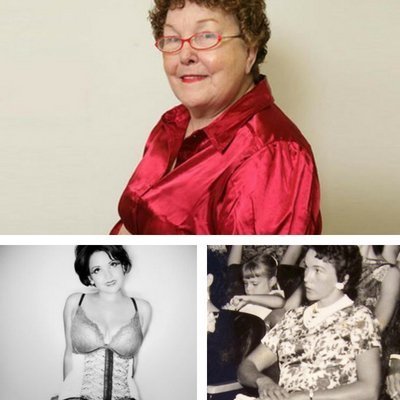
Fast forward to the 1960s, when American plastic surgeons Thomas Cronin and Frank Gerow developed the first silicone breast implant with the Dow Corning Corporation. The first woman to have silicone implants was Timmie Jean Lindsey in 1962. The aim wasn't initially for larger breasts, but rather to correct a few chest wall deformities and lift her natural breast contour. However, she ended up opting for larger breasts on the surgeons' suggestion, and thus began the era of the modern 'boob job'.
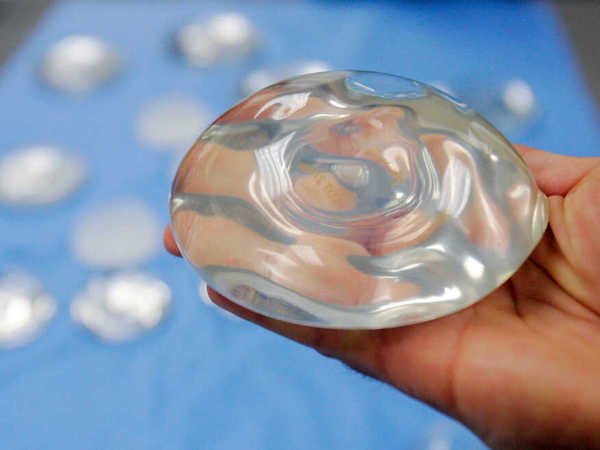
The silicone implants, despite their initial success, soon faced significant controversy. The major concern revolved around the issue of implant rupture and silicone leakage. In the 1980s and 90s, lawsuits started piling up against implant manufacturers, claiming that the silicone leaks were causing autoimmune diseases and other health problems. This led to a fourteen-year FDA ban on silicone implants for cosmetic use, starting in 1992. The ban lifted in 2006 when studies found no link between the implants and diseases. However, this period of intense scrutiny prompted the development of safer alternatives like saline and 'gummy bear' implants.

In the following decades, the procedure saw a myriad of innovations. Saline implants made their debut in the 1960s, offering a safer alternative if the implant ruptured. Cohesive gel silicone implants, also known as 'gummy bear' implants due to their consistency, came into existence in the 2000s, providing a more natural shape and feel.
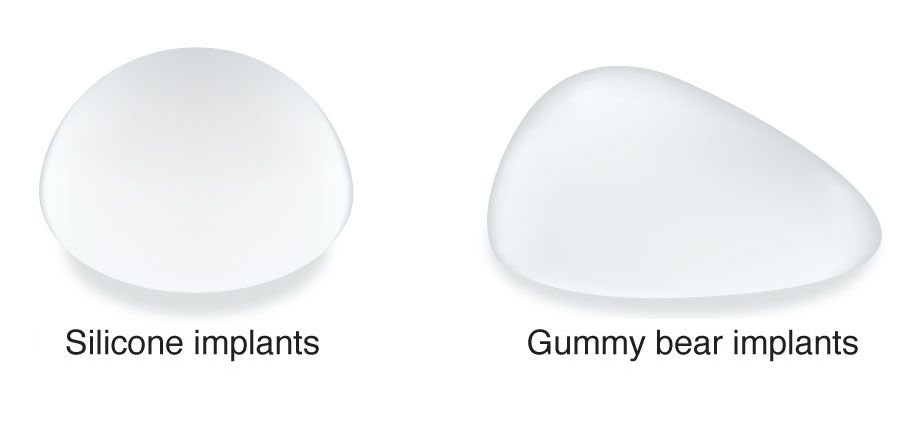
It's important to note, however, that the history of breast augmentation has not been without its controversies, scandals, and health scares. From silicone leaks to links with autoimmune diseases, breast implants have had their fair share of scrutiny. Yet, despite these challenges, breast augmentation remains one of the most popular cosmetic surgeries worldwide.
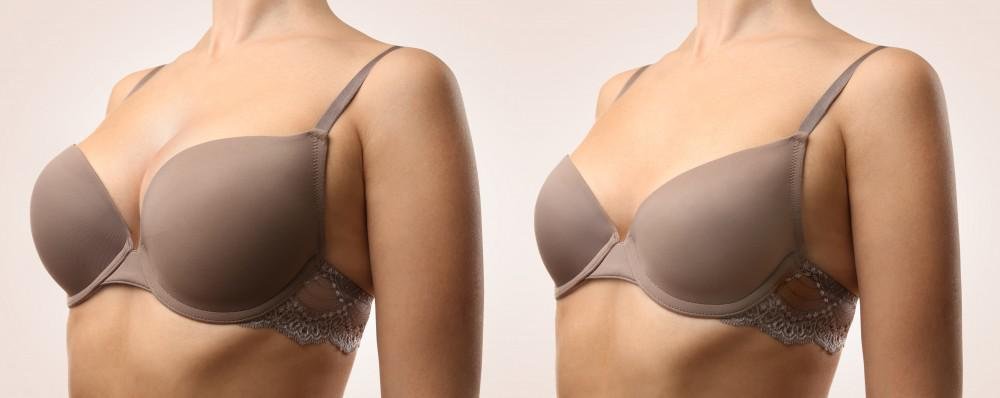
When it comes to natural breast sizes around the world, studies show quite a bit of variance. Countries in Northern Europe, like Finland, Norway, and Sweden, typically top the charts for the largest average breast size. Meanwhile, countries in Asia, such as China and Indonesia, often report smaller average breast sizes. However, it's essential to remember that these are averages, and there's a wide range of sizes in every country.

The trend of breast augmentation also varies significantly worldwide. As per the International Society of Aesthetic Plastic Surgery, the United States leads the pack in the number of breast augmentation surgeries performed per year. South Korea, despite its smaller population, also stands out with a high number of procedures per capita, mainly due to its booming cosmetic surgery industry. On the other hand, countries like Japan and India have lower rates of breast augmentation surgeries. These trends are influenced by a multitude of factors, including societal beauty standards, economic prosperity, and cultural acceptance of cosmetic procedures.
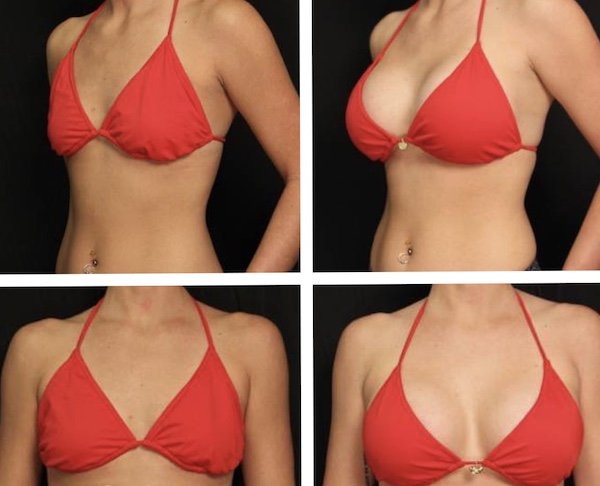
From Czerny's pioneering attempt to Cronin and Gerow's silicone revolution, the journey of breast augmentation is a testament to our ever-evolving pursuit of physical perfection. These medical marvels have not only transformed our bodies, but also our perceptions of beauty, femininity, and self-confidence. So, whether it's for aesthetic pleasure or post-mastectomy reconstruction, let's raise a 'boob-shaped' pillow to these trailblazers of breast augmentation!

Boob Pillows are International: A Multilingual Guide
Greetings, dear reader! Today, we're taking a global journey to explore a product that's captured hearts and naps worldwide - the boob pillow. Yes, you heard that right! The pillow shaped like a pair of breasts is not just an American phenomenon; it's loved and appreciated across borders. So let's dive in, explore some international lingo, and learn a thing or two about how breasts are viewed in different societies. Fasten your seatbelts, we're going global!
Greetings, dear reader! Today, we're taking a global journey to explore a product that's captured hearts and naps worldwide - the boob pillow. Yes, you heard that right! The pillow shaped like a pair of breasts is not just an American phenomenon; it's loved and appreciated across borders. So let's dive in, explore some international lingo, and learn a thing or two about how breasts are viewed in different societies. Fasten your seatbelts, we're going global!
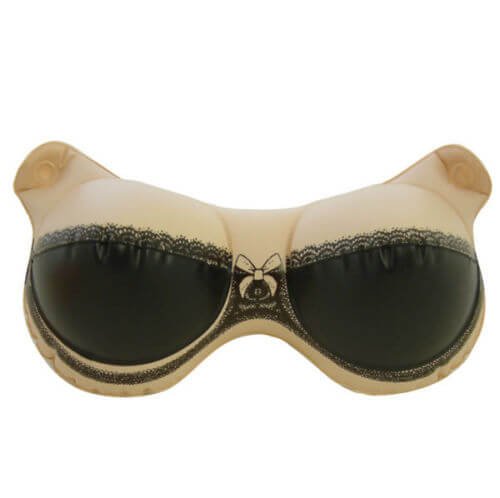
Let's kick off our linguistic expedition in the country of love - France. Here, a boob pillow is referred to as 'coussin de seins' or ‘seins oreiller’. Now, the French have a reputation for being quite open about nudity, making the 'coussin de seins' a fitting addition to their laid-back lifestyle.

Heading East, we land in Germany, where a boob pillow is known as a 'Busen Kissen' or ‘Tittenkissen’. The Germans, known for their efficiency, also understand the need for a good night's sleep, and what better way to ensure that than with a cozy 'Busen Kissen'?

Onward to the land of the rising sun, Japan. Here, the boob pillow goes by the name 'mune no makura' or ‘おっぱい枕’ or ‘Oppai-makura’. The Japanese have a rich tradition of sensual art, known as shunga, that celebrates the human body, making the 'mune no makura' a perfect blend of culture and comfort.
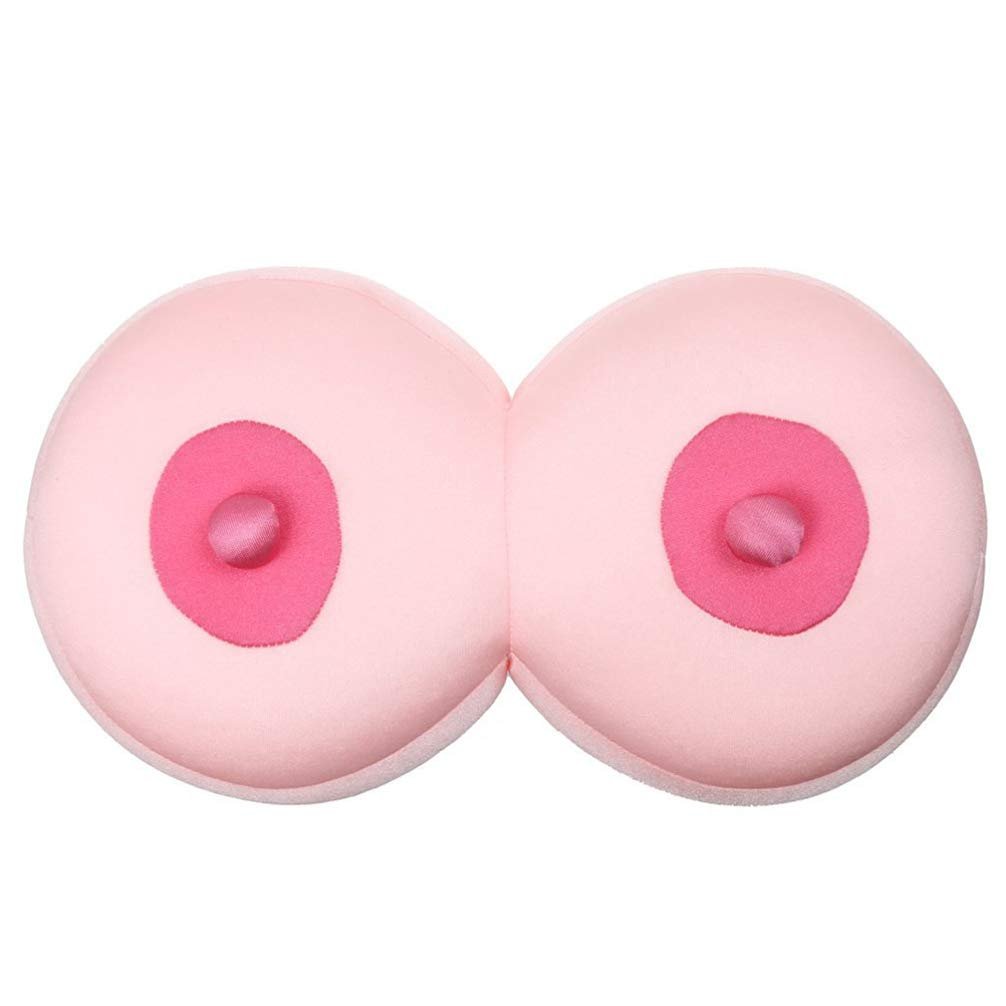
In sunny Spain, the boob pillow is called 'almohada de tetas' or ‘cojín con tetas’. The Spanish are known for their vibrant culture and passionate expressions of love, and the 'almohada de tetas' is no exception.
Let's now take a trip down under to Australia. Aussies refer to the boob pillow as 'boob pillow', keeping it simple and straightforward. Australians are known for their great sense of humor and love for quirky products, making the boob pillow a hit down under.

In Italy, the land of art and beauty, you'd ask for a 'cuscino di seni' or ‘cuscino per le tette’. Italians are known for their appreciation of aesthetics and the human form, making a 'cuscino di seni' a unique and fun addition to any Italian household.
Let's visit Brazil, where they say 'almofada de seios' or ‘travesseiro de peitos’. Brazilians are known for their body positivity and celebration of the female form, making the 'almofada de seios' a perfect fit.

In the bustling cityscapes of the Middle East, Arabic speakers would call a boob pillow 'وسادة الثديين' (wisedat alththadiyn) or ‘وسادة الثدي’ (wisadat althady). Arabic culture has a rich history of poetic language and sensual imagery in their literature, making the concept of a 'وسادة الثديين' not too far-fetched.
Finally, let's explore China, the world's most populous country. In Mandarin, a boob pillow is known as '胸部枕头' (xiōngbù zhěntóu) or "‘胸部枕頭’ (Xiōngbù zhěntou). Chinese society, while traditionally more conservative, is rapidly evolving and embracing more modern and unique lifestyle products like the '胸部枕头'.
From the West to the East, the North to the South, the boob pillow is a universal phenomenon. It's the embodiment of comfort and quirkiness, transcending language and cultural barriers. So whether it's a 'seins oreiller’', a 'Tittenkissen', a 'Oppai-makura', an 'almohada de tetas', a 'boob pillow', a 'cuscino per le tette', an 'travesseiro de peitos', a ‘وسادة الثدي’, or a '胸部枕頭', rest assured, it's all about the love for that perfect pillow.
It's interesting to see how societies worldwide view and accept breasts as part of their culture. Whether it's in art, language, or a simple pillow, the global appreciation for breasts is heartening to see.

So, the next time you're shopping for a fun and unique gift, why not consider the international sensation that is the boob pillow? It's a cheeky, comfy addition to any home, no matter what language you speak.

How Many Ways Can You Say the Word "Boobs"?
Are you ready to embark on a linguistic journey, a walk down mammary lane, if you will? Let's dive into the wonderfully eclectic world of synonyms, euphemisms, and colloquialisms for that term we all know and love: boobs. Buckle up, because you're about to get a masterclass in the art of boob-etymology.
Are you ready to embark on a linguistic journey, a walk down mammary lane, if you will? Let's dive into the wonderfully eclectic world of synonyms, euphemisms, and colloquialisms for that term we all know and love: boobs. Buckle up, because you're about to get a masterclass in the art of boob-etymology.
Let's start by acknowledging the fact that we, as a society, have a bizarre fascination with creating an extensive vocabulary to describe women's breasts. Seriously, there are more terms for 'boobs' than there are for 'love'. That says a lot about our collective consciousness, doesn't it?
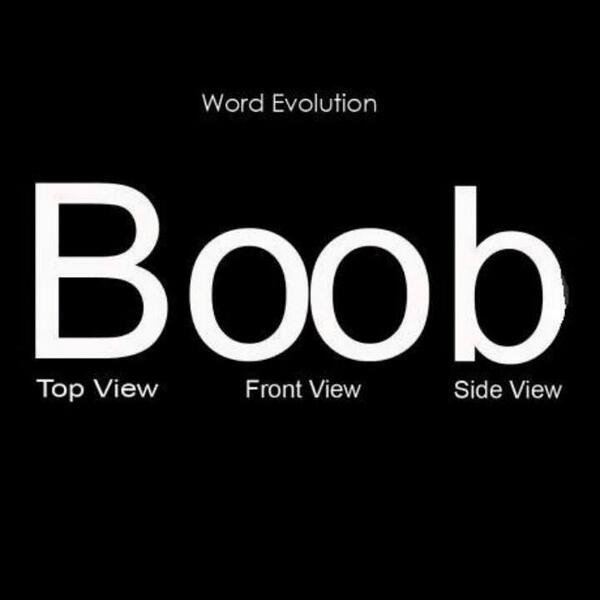
The term 'boobs' is a relatively recent invention, first appearing in the early 20th century. The exact origin isn't clear, but one theory suggests it's an alteration of 'bubs,' which was a 17th-century term for breasts. And from there, the floodgates of creativity were thrown wide open.
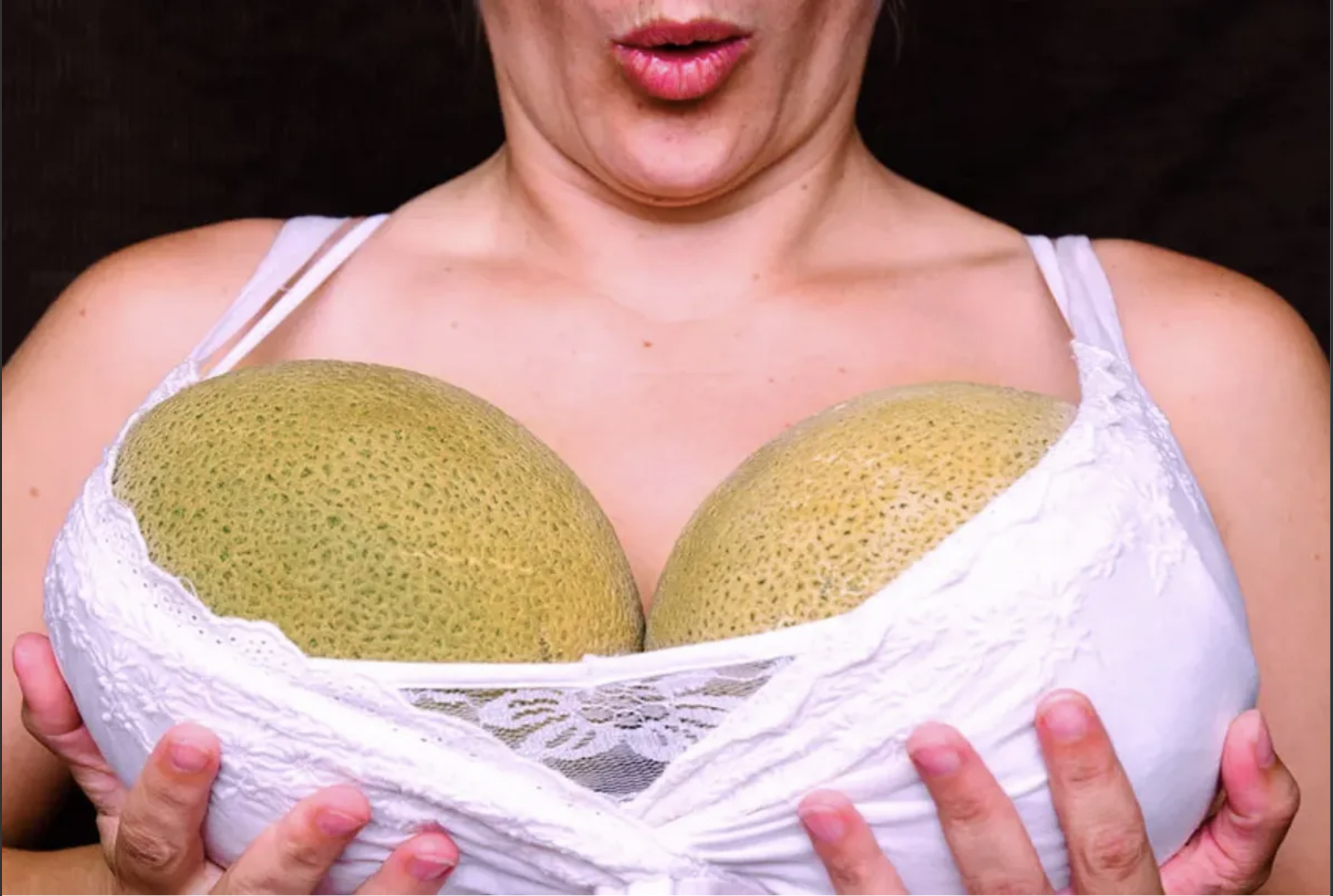
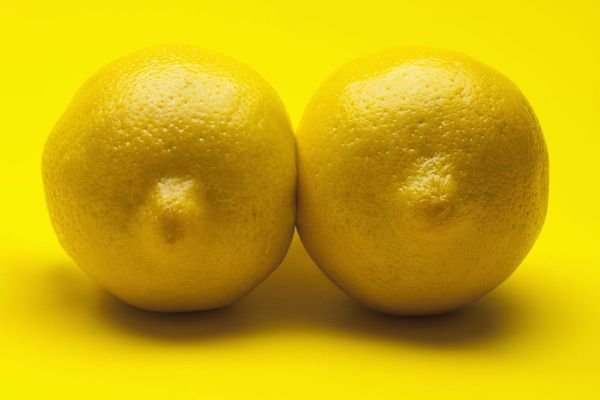
So, what's in a name? Well, a lot, it turns out. From 'tatas' to 'melons', 'jugs' to 'rack', and 'fun bags' to 'bazookas', there's no shortage of colorful, hilarious, and sometimes downright strange monikers for breasts. Some of these are self-explanatory: 'melons', 'buns', and 'globes' all draw from the physical similarities between breasts and these round objects.
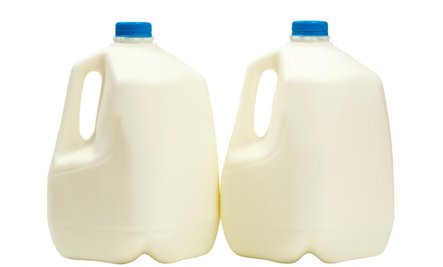
Then we have those that are a bit more abstract. Ever wondered why we call them 'jugs'? Well, this seems to have stemmed from the resemblance between a woman's chest and the shape of two milk jugs side by side.

And let's not forget the classic 'twin peaks', which aside from being a fantastic TV show, is a playful nod to the mountainous nature of a woman's bosom. On the other end of the spectrum, 'mosquito bites' and 'fried eggs' are used to humorously describe smaller breasts.

Some terms are more sophisticated than others. 'Bosom', for instance, harks back to Old English and was used in a more general sense to denote a woman's chest. It's since become a somewhat classier alternative to the more casual 'boobs'.
And of course, we have the medical and anatomical terms like 'mammary glands' and 'pectoralis major', but let's be honest, they don't exactly roll off the tongue, do they?

So there you have it, folks - a whistle-stop tour of the myriad ways in which we've come to describe boobs. Some are cute, some are crude, and some are just plain weird, but all of them are testament to our endless fascination with the female form. So next time you're stuck for a synonym, remember this guide and unleash your inner wordsmith!
In the end, whether you call them 'hooters', 'knockers', 'baps', or 'bubbies', it's all a part of our collective love for boobs and the fun we have in expressing it. And isn't that something worth celebrating?

How to Run with Big Boobs: A Hilariously Honest Guide to Jogging
Running, it's a piece of cake, right? Well, not when you're a well-endowed woman! The struggle of jogging with a big bust is real. Well, I want to share my own experiences with running and offer some practical tips for my fellow busty ladies so they can conquer the pavement.
Running, it's a piece of cake, right? Well, not when you're a well-endowed woman! The struggle of jogging with a big bust is real. Well, I want to share my own experiences with running and offer some practical tips for my fellow busty ladies so they can conquer the pavement. So for all you curvy ladies ready to tackle a run, read on to find out how you can make your jogs more comfortable and enjoyable.

Get your hands on a high-quality sports bra:
Boob support is no joke when it comes to running with large breasts. Don't skimp on a sports bra that offers both encapsulation (individual cups for each breast) and compression (firmly holding breasts against the chest). Look for adjustable straps and closures to keep those girls secure and comfortable while you run.

Double up:
If one sports bra isn't cutting it, try wearing two or pair it with a tight-fitting tank top or crop top. Layering can provide additional support and give you the confidence to run without worrying about any unintended boob acrobatics.

Straighten up that posture:
Good running posture isn't just for the small-chested. Keep your head up, shoulders back, and core engaged to distribute the weight of your chest evenly and prevent discomfort. Plus, you'll look like a running pro!

Stride with style:
A shorter stride can help reduce bounce, making your run more comfortable. Play around with your stride length and speed to find your perfect boob-friendly running technique. Who knows, you might even invent a new running style!

Buff up:
Strength training isn't just for bodybuilders. Building your upper body and core muscles can offer extra support for your chest and ease the strain on your neck and back. Plus, who doesn't love a toned core and strong arms?

Pick the perfect path:
Choosing softer surfaces like grass or dirt trails can reduce the impact on your joints and chest. If you're stuck on pavement or a treadmill, maintain a steady pace and control the bounce to keep your chest happy.

Embrace the journey:
Running with large breasts can be a rollercoaster, but don't let it get you down. Be patient and remember that every busty woman's experience is unique. Experiment with different techniques and gear, and most importantly, have fun!

In conclusion:
Jogging with big boobs doesn't have to be a nightmare. By investing in proper gear, focusing on your posture and stride, and incorporating strength training, you can turn your runs into a delightful experience. Stay patient and persistent, and remember to find humor in your journey. Soon, you'll discover the best strategies to make running enjoyable for both you and your chest. Happy jogging!

This helpful guide explains everything there is to know about what types of boob pillows exist.
Kay’s first letter. It’s fall and she’s in your cabin, missing you…
Ever wondered what lies between a good night's sleep and a truly great morning? Often, it's as simple as the pillow beneath your head. In the pursuit of perfect slumber, the humble pillow plays a starring role, transforming nights from restless to restful. Let's fluff up the details and uncover how the best pillow for you can be a game-changer from dusk till dawn.
Imagine a world where every morning is a good morning. No stiff necks, no tossing and turning—just pure, unadulterated comfort. This utopian dream starts with a simple yet crucial bedroom element: the pillow. But with a market flooded with choices, how does one find the best pillow? Let’s dive into the plush world of pillow science to uncover the secrets of ultimate comfort.